

 English
 русский
 عربى
عربى

A set of design, research and development, production, sales, installation in one of the professional new decorative materials enterprises.
Content
- 1 The Short Answer: It Depends on Where You're Installing It
- 2 The Main Types of Decorative Wall Panels Explained
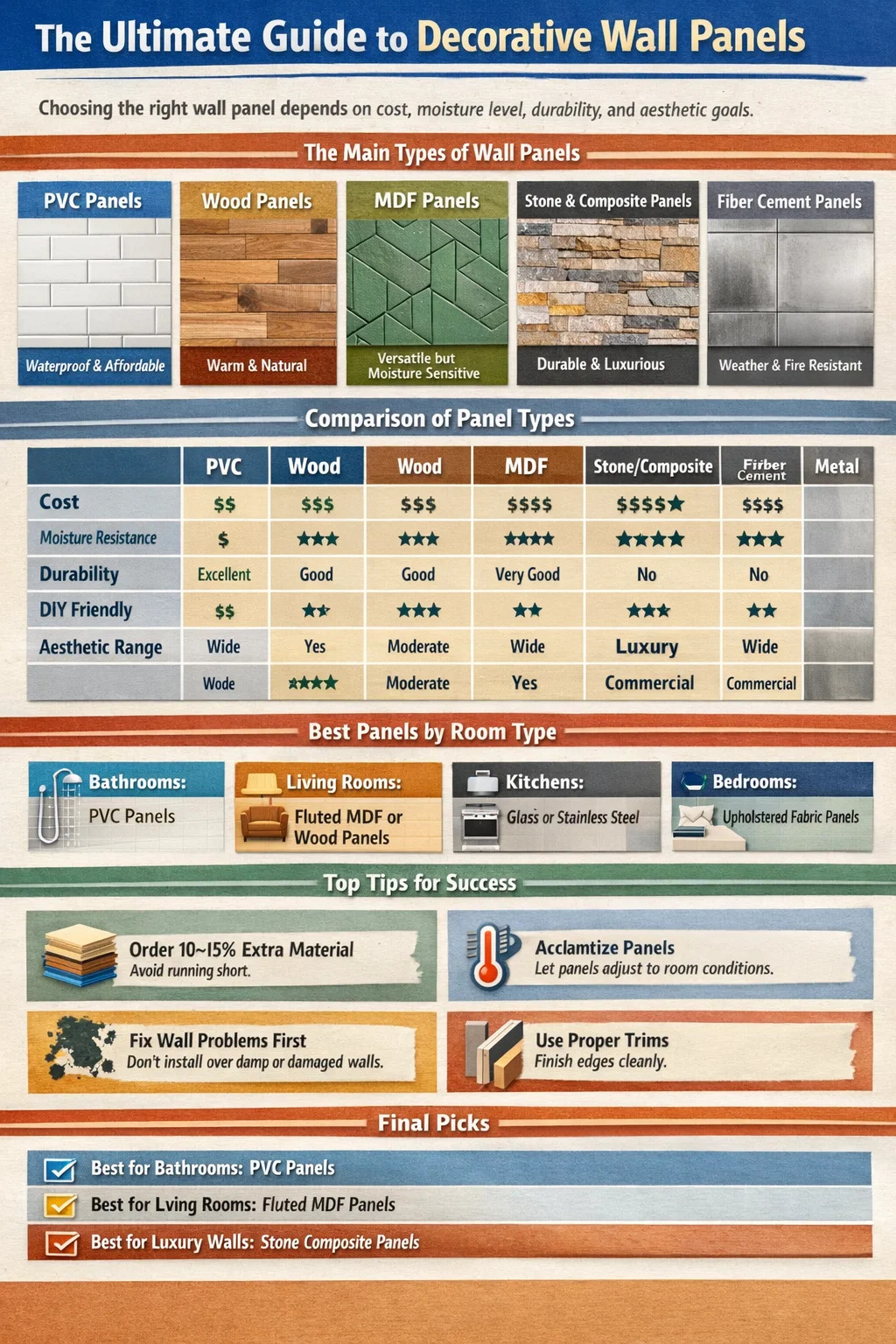
- 3 Side-by-Side Comparison: Which Decorative Wall Panel Wins in Each Category
- 4 Best Decorative Wall Panels by Room Type
- 5 What Makes a Decorative Wall Panel "High Quality"
- 6 Interior vs Exterior Decorative Wall Panels: Key Differences
- 7 Installation Methods and What They Mean for Your Budget
- 8 Sustainability and Environmental Considerations
- 9 Common Mistakes When Choosing Decorative Wall Panels
- 10 The Final Verdict: Which Decorative Wall Panel Should You Choose
The Short Answer: It Depends on Where You're Installing It
There is no single "best" decorative wall panel that works for every situation. The right choice depends on your room's moisture level, your budget, the look you're going for, and how much maintenance you're willing to do long-term. That said, PVC wall panels are the most versatile all-rounder for most homeowners — they're waterproof, affordable, easy to install, and come in hundreds of styles. If you're after a premium look for a living room or bedroom, wood or MDF decorative wall panels outperform everything else aesthetically. For commercial spaces or high-traffic areas, stone composite and fiber cement panels are hard to beat in terms of durability.
This guide breaks down each major panel type with real comparisons across cost, durability, installation difficulty, and best use cases — so you can make a decision based on your actual situation, not a generic recommendation.
The Main Types of Decorative Wall Panels Explained
Before comparing performance, it helps to understand what's actually on the market. Decorative wall panels fall into several broad categories, each with distinct manufacturing methods, core materials, and surface finishes.
PVC (Polyvinyl Chloride) Wall Panels
PVC panels are made from rigid or semi-rigid plastic and are among the most widely sold wall panel products globally. They are lightweight, 100% waterproof, and resistant to mold and mildew, making them a go-to for bathrooms and kitchens. Standard PVC decorative wall panels cost between $2 and $8 per square foot, depending on thickness and surface finish. Tongue-and-groove installation means most homeowners can fit them without professional help.
Wood Wall Panels
Solid wood and engineered wood panels — including shiplap, board-and-batten, and tongue-and-groove plank styles — bring warmth and texture that synthetic materials can't fully replicate. Real wood panels typically run from $8 to $25 per square foot installed, with exotic species pushing even higher. They're ideal for living rooms, bedrooms, and accent walls, but they require sealing or finishing and are not suitable for high-humidity areas unless specifically treated.
MDF (Medium-Density Fiberboard) Decorative Wall Panels
MDF panels are engineered wood products made from compressed wood fibers and resin. They are extremely common in interior decorative applications because they take paint and primer exceptionally well, allowing for crisp, clean-edged geometric designs like fluted panels and 3D wall art. Costs range from $3 to $12 per square foot. The major drawback is moisture sensitivity — MDF swells when wet, so it's unsuitable for bathrooms without moisture-resistant variants.
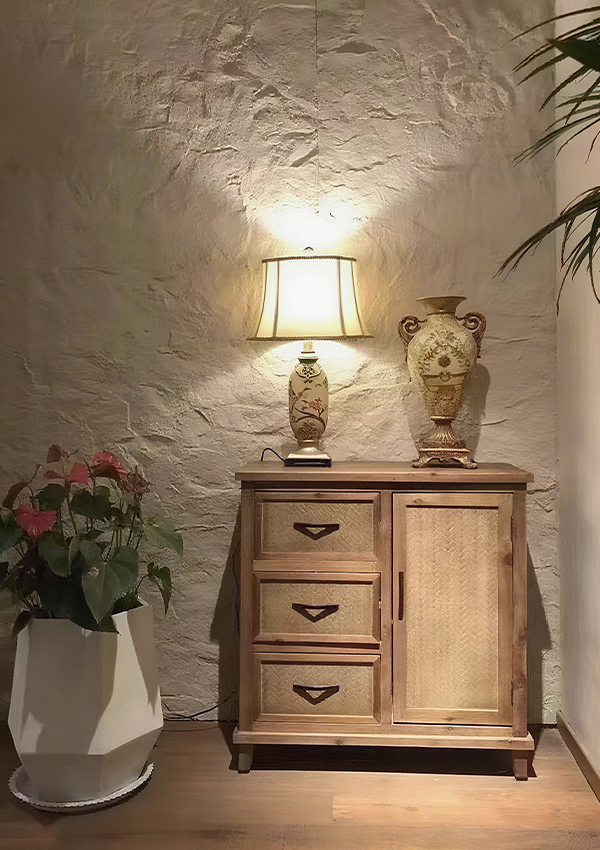
Stone and Stone Composite Panels
Natural stone panels (slate, travertine, marble) and manufactured stone composite panels deliver unmatched visual depth. Real stone panels can cost $15 to $50+ per square foot installed, while stone composite alternatives bring that cost down to $6–$18. They're heavy, often requiring wall reinforcement, and installation is best left to professionals. Lifespan, however, is exceptional — a properly installed stone wall panel can last decades with minimal upkeep.
Fiber Cement Wall Panels
Fiber cement panels are composed of cement, sand, and cellulose fibers. They're highly durable, fire-resistant, and can handle extreme weather — which is why they're popular for exterior cladding as well as commercial interiors. Cost typically falls between $5 and $15 per square foot. They're heavier than PVC or MDF and require cutting tools designed for masonry, but the durability payoff is significant for the right application.
Metal Wall Panels
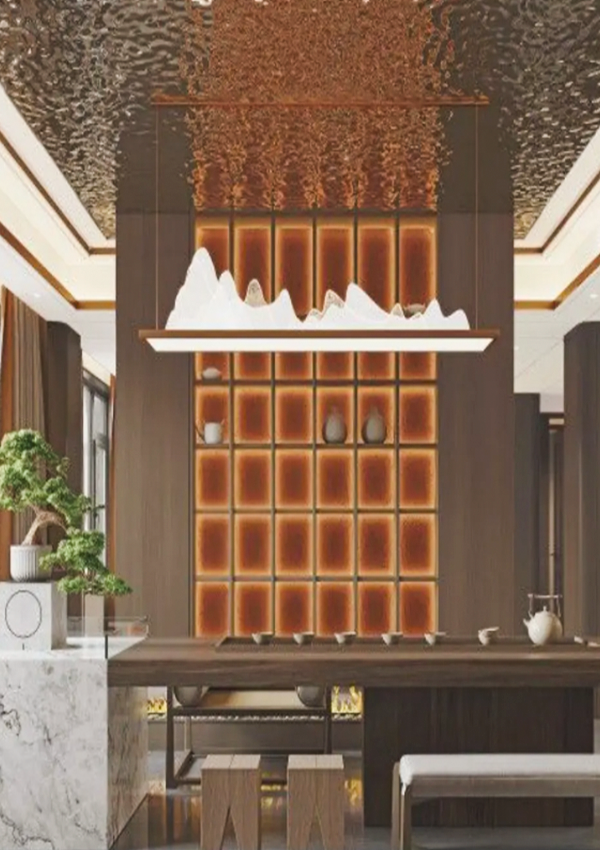
Stainless steel, aluminum, and copper decorative wall panels are popular in commercial kitchens, modern industrial-style interiors, and high-end retail spaces. Aluminum panels are the most common residential choice, averaging $6 to $20 per square foot. They don't warp, rot, or absorb moisture, but they can dent and scratch if the gauge is thin, and they conduct heat and cold, which matters in poorly insulated spaces.
Acoustic Wall Panels
Acoustic decorative wall panels are often made from foam, fabric-wrapped fiberglass, or polyester fiber. Their primary function is sound absorption, but modern designs have closed the gap aesthetically — many now double as legitimate interior decor. They are particularly popular in home theaters, recording studios, offices, and restaurants. Cost ranges widely from $2 to $30 per square foot depending on NRC (Noise Reduction Coefficient) rating and surface finish quality.
Side-by-Side Comparison: Which Decorative Wall Panel Wins in Each Category
The table below compares the main panel types across seven performance factors. Ratings are relative within each category to help you prioritize based on your specific priorities.
| Panel Type | Cost (per sq ft) | Moisture Resistance | Durability | DIY Friendly | Aesthetic Range | Best For |
|---|---|---|---|---|---|---|
| PVC | $2–$8 | Excellent | Good | Yes | Wide | Bathrooms, kitchens |
| Wood | $8–$25 | Poor (untreated) | Very Good | Moderate | Warm/natural | Living rooms, bedrooms |
| MDF | $3–$12 | Poor | Moderate | Yes | Very Wide | Accent walls, 3D designs |
| Stone/Composite | $6–$50+ | Good | Excellent | No | Luxury/natural | Feature walls, fireplaces |
| Fiber Cement | $5–$15 | Excellent | Excellent | No | Moderate | Commercial, exterior |
| Metal | $6–$20 | Excellent | Very Good | Moderate | Industrial/modern | Kitchens, commercial |
| Acoustic | $2–$30 | Poor | Moderate | Yes | Functional/modern | Home theaters, offices |
Best Decorative Wall Panels by Room Type
The room you're paneling has more influence on the right material choice than almost any other factor. Here's a breakdown by space, based on real installation constraints and functional requirements.
Bathroom Wall Panels
Bathrooms are the most demanding environment for wall panels. Humidity regularly exceeds 80%, surfaces get splashed daily, and temperature fluctuations cause expansion and contraction. PVC and solid surface acrylic panels are the top two choices here, with PVC winning on cost and acrylic winning on seamless appearance. Tile-effect PVC panels have improved significantly in photorealism — many homeowners can't distinguish them from real ceramic tile at normal viewing distance. Avoid wood, standard MDF, and acoustic foam panels entirely in bathrooms unless moisture-resistant variants are explicitly specified.
Kitchen Wall Panels
Kitchen walls, particularly splashback areas, need to handle grease, heat, and frequent wiping. Glass panels, stainless steel, and high-gloss PVC are the top choices for behind-the-hob areas. Glass splashback panels offer the cleanest look and are the easiest to wipe down, though they run $30–$80 per square foot for custom tempered glass. Stainless steel is the commercial kitchen standard for good reason — it tolerates high heat, is non-porous, and passes health inspections. For the remainder of kitchen walls away from the cooking zone, moisture-resistant MDF panels work well and offer far more decorative options.
Living Room Wall Panels
Living rooms are where aesthetics take center stage and moisture is not a concern. This opens up the full range — wood, MDF, stone composite, and fabric-wrapped panels all perform well here. Fluted MDF panels and shiplap wood panels are currently the two most popular choices for living room feature walls in contemporary home design. Fluted MDF panels create strong vertical lines that add visual height to a room, and they paint easily to match any color scheme. Ledger stone composite panels bring a tactile, layered look perfect for fireplace surrounds and media walls. For very large living rooms, fabric-wrapped acoustic panels are worth considering — they reduce echo while looking intentional as decor.
Bedroom Wall Panels
Bedrooms prioritize comfort, warmth, and visual softness. Wood panels and upholstered fabric panels dominate here. A paneled headboard wall using tongue-and-groove pine or oak boards adds architectural character that no paint finish can replicate. Upholstered fabric wall panels — fabric stretched over a foam-filled frame — are particularly effective for bedroom feature walls, providing both a soft visual texture and slight acoustic benefit. MDF geometric panels painted in muted tones (sage, terracotta, warm white) are another strong bedroom option for those who prefer a more graphic, modern aesthetic.
Commercial and Office Spaces
Commercial environments prioritize durability, fire compliance, and maintenance ease over cost-per-square-foot. Fiber cement, high-pressure laminate (HPL), and metal panels are the standard choices in offices, retail, healthcare, and hospitality settings. HPL panels — made from layers of kraft paper impregnated with phenolic resin — are particularly common in corridors, reception areas, and restrooms. They resist impact, scratching, and most cleaning chemicals, and they meet fire rating requirements in most jurisdictions. Many commercial decorative wall panel systems are also designed for easy replacement of individual sections without damaging adjacent panels.
What Makes a Decorative Wall Panel "High Quality"
Price is not always a reliable indicator of quality in the wall panel market. Here are the specific factors that separate a genuinely good panel from one that looks fine in photos but disappoints in real life.
Panel Thickness
Thicker panels are almost always more durable and feel more substantial. For PVC bathroom panels, a minimum of 8mm is recommended — anything thinner flexes noticeably and can crack if knocked. For MDF decorative panels, 12mm is a reasonable baseline for wall applications, with 18mm preferred for carved or 3D profiles that involve deep routing. Wood panels should be at least 15mm for most applications to hold screws and take surface finishing without issue.
Surface Finish and Print Resolution
For printed-surface panels (PVC tile effect, woodgrain laminates, stone-look HPL), the quality of the photographic or digital print matters enormously. Low-resolution printing creates obvious repetition in the pattern — a telltale sign of budget panels. High-quality manufacturers use large repeat cycles and multiple variation prints to break up visual repetition. Look for panels with embossed or textured surfaces that align with the printed pattern — a wood-look panel where the grain texture physically matches the print is significantly more convincing than a flat-printed alternative.
Edge Profiles and Joining Systems
The joining system determines how clean the finished installation looks. Tongue-and-groove systems are standard for most panel types and hide the joint almost entirely when installed correctly. Shiplap profiles create a deliberate reveal line that can look intentional or sloppy depending on consistency. Some premium decorative wall panel systems use invisible clip systems where no visible fastener or joint appears on the face — these are significantly more forgiving to install and look cleaner long-term.
Fire Rating and Compliance
For any commercial installation, fire rating is non-negotiable. Panels are rated under standards such as EN 13501-1 in Europe (classes A1, A2, B, C, D, E, F) and ASTM E84 in North America (Class A, B, C). Residential installations often don't legally require fire-rated panels, but choosing at minimum a Class C or B rated panel adds a meaningful safety margin, particularly for panels installed near heat sources or in escape route corridors.
Interior vs Exterior Decorative Wall Panels: Key Differences
Many homeowners search for decorative wall panels without specifying interior or exterior — and the distinction matters enormously. Exterior panels must withstand UV radiation, freeze-thaw cycles, wind loading, and rain penetration over many years. Interior panels face none of these stresses, which is why an interior-rated panel installed outside will typically fail within 2–3 years regardless of its quality.
For exterior applications, the strongest performing panel types are:
- Fiber cement cladding panels — industry standard for residential exteriors, 25–50 year lifespan
- Composite wood cladding (wood fiber + polymer) — low maintenance, resists rot and insects
- Aluminum composite panels (ACM) — lightweight, excellent weather resistance, common on commercial facades
- Porcelain tile cladding — extremely durable, frost-resistant, virtually zero maintenance
Natural solid wood can work externally but requires annual sealing or oiling to maintain water resistance, and will grey and weather significantly without maintenance. This isn't necessarily a negative — many architectural projects intentionally use weathered hardwood cladding as a design feature — but it needs to be a deliberate choice.
Installation Methods and What They Mean for Your Budget
The panel material you choose directly determines how it gets installed — and installation cost can easily match or exceed the material cost. Understanding the different methods helps you build an accurate budget.
Direct Adhesive Installation
Many lightweight panels — PVC, thin MDF, foam-backed decorative panels — can be glued directly to a prepared wall surface using panel adhesive. This is the simplest method and works well when the wall behind is flat and structurally sound. The trade-off is that removal is destructive — panels typically can't be taken down without damaging either the panel or the wall surface behind it.
Batten and Screw Systems
Timber or metal battens are fixed to the wall, and panels are screwed or clipped into the battens. This method creates a ventilated cavity behind the panels — particularly valuable in wet areas and exterior applications — and allows individual panels to be removed and replaced. Most wood and fiber cement panels use batten systems, which adds labor cost but significantly improves long-term performance and repairability.
Concealed Clip Systems
Premium decorative wall panel systems — particularly those used in hospitality and high-end residential projects — use proprietary metal clip systems that attach to battens or a wall rail. The panel clicks onto the clips with no visible fasteners on the face. This produces the cleanest finish and allows the fastest panel swap if a section gets damaged. Installation requires precision but is within reach of a skilled DIYer.
Typical Labor Costs to Factor In
- PVC panels, direct adhesive: $1.50–$3.50 per square foot labor
- Wood panels on battens: $4–$8 per square foot labor
- Stone composite panels (heavy): $8–$15 per square foot labor
- Fiber cement exterior cladding: $6–$12 per square foot labor
These figures are approximate and vary significantly by region, but they illustrate why a "cheap" material choice doesn't always translate to a cheap finished project. A $4 per square foot stone composite panel requiring $12 in labor costs more all-in than a $10 wood panel needing only $5 in labor.
Sustainability and Environmental Considerations
Environmental performance is becoming a meaningful factor in panel selection, particularly in commercial projects and among homeowners pursuing green building certifications. Here's where each major type stands.
- PVC panels: Not recyclable in most municipal programs. Production is energy-intensive and involves chlorine chemistry. Some manufacturers are offering recycled-content PVC or PVC-free alternatives.
- MDF panels: Made from wood waste, which is a positive. However, the binders used (urea-formaldehyde resins) can off-gas VOCs — look for E0 or E1 emissions-rated MDF for indoor air quality.
- Solid wood: Renewable when sourced from certified forests (FSC or PEFC certification). Sequesters carbon. Long lifespan means a lower overall environmental footprint per year of use.
- Fiber cement: Contains Portland cement, which has significant embodied carbon. However, the 50+ year lifespan offsets this considerably over the product lifecycle.
- Aluminum panels: High embodied energy in production but 100% recyclable at end of life. Recycled aluminum requires only 5% of the energy of virgin production, making reclaimed aluminum panels a genuinely sustainable choice.
- Acoustic polyester fiber panels: Many are made from recycled PET bottles — some products contain 60–100% post-consumer recycled content, making them one of the more environmentally favorable options in their category.
Common Mistakes When Choosing Decorative Wall Panels
Most paneling regrets come from the same handful of avoidable errors. These are the issues that show up most consistently in renovation forums, contractor callbacks, and product return statistics.
Choosing Based on Price Alone
The cheapest panel for any given look is rarely the best value. A $2 per square foot PVC panel that yellows, warps, or delaminates within three years costs far more than a $5 panel that holds up for fifteen years. Always request a warranty — reputable manufacturers offer at least 10 years on structural performance, and many offer 25 years on moisture resistance for bathroom-rated products.
Not Ordering Enough Material
Panel waste from cuts, particularly around windows, doors, and irregular walls, is consistently underestimated. A 10–15% overage is standard practice for straight runs, and 20% or more for rooms with many openings or complex angles. Running out mid-installation and finding the product is discontinued or out of stock — with a visible batch color difference in any new stock — is one of the most frustrating renovation outcomes.
Installing Over a Problem Wall
Wall panels installed over damp walls, mold-affected plaster, or structurally weak surfaces will eventually fail regardless of panel quality. Any persistent moisture issue behind a panel worsens when trapped — mold growth and structural decay accelerate in the dark, warm, humid conditions behind a sealed panel. Always fix the underlying wall before installing any decorative wall panel system.
Ignoring Acclimatization Requirements
Wood panels and some MDF products need to acclimatize to the room's temperature and humidity before installation — typically 24 to 72 hours stored flat in the installation space. Skipping this step leads to panels expanding or contracting after installation, causing buckling, joint gaps, and fastener failure. This requirement is always listed in the manufacturer installation guide and is nearly always skipped by DIYers in a hurry.
Underestimating the Finishing Work
The panel itself is often only 60–70% of the visual result. Internal and external corner trims, ceiling and floor mouldings, and the treatment of window and door reveals determine whether the finished installation looks professional or amateurish. Budget for trim and accessories when comparing panel systems — some manufacturers charge a premium for color-matched trims, while others include them in the system price.
The Final Verdict: Which Decorative Wall Panel Should You Choose
If you want one straightforward recommendation per scenario, here it is:
- Best for bathrooms and wet areas: PVC wall panels, minimum 8mm, with tongue-and-groove joining
- Best for living room feature walls: Fluted MDF (painted) or solid wood shiplap
- Best for bedrooms: Fabric-upholstered panels or wood tongue-and-groove
- Best for kitchens (splashback): Tempered glass or stainless steel
- Best for commercial interiors: High-pressure laminate (HPL) or fiber cement
- Best for exterior cladding: Fiber cement or composite wood
- Best for sound control: Polyester fiber acoustic panels with high NRC rating
- Best luxury statement wall: Natural stone or stone composite ledger panels
No single panel type dominates every category. The best decorative wall panel is the one that matches the actual conditions of your space, fits your maintenance tolerance, and delivers the aesthetic you're after at a total installed cost — including labor and trim — that fits your budget. Taking 20 minutes to map out those priorities before ordering will save you from the most common and costly paneling mistakes.

 ++86-18906857262 / ++86-13754347028
 No.49, Tunnan Industrial Zone, Daohui Street, Shangyu District, Shaoxing City, Zhejiang Province, China