

 English
 русский
 عربى
عربى

A set of design, research and development, production, sales, installation in one of the professional new decorative materials enterprises.
Content
- 1 Why Skip the Steamer — And Why It Actually Works Better
- 2 Tools and Materials You Need Before You Start
- 3 Three Proven Methods to Remove Wallpaper Without a Steamer
- 4 Which Method Works for Your Wallpaper Type
- 5 Step-by-Step Removal Process for a Standard Room
- 6 When Decorative Wall Panels Are a Better Answer Than Removal
- 7 Common Problems and How to Fix Them Mid-Project
- 8 Wallpaper Removal on Plaster, Paneling, and Other Surfaces
- 9 Frequently Asked Questions
Quick Answer
You can remove wallpaper without a steamer using fabric softener solution, warm water and dish soap, or a commercial DIF concentrate. The most reliable method is scoring the surface lightly, applying a warm water and fabric softener mixture (1:1 ratio), waiting 10–15 minutes, then peeling in large sheets from seams. Most homeowners complete a standard 12×12 ft room in 4–8 hours without any rented equipment.
4–8 hrs Average room removal time
$8–$15 DIY solution cost
3 methods Proven steamer-free approaches
Why Skip the Steamer — And Why It Actually Works Better
Steamers have a reputation as the go-to tool for wallpaper removal, but most professional decorators will tell you the same thing: steam is overkill for the majority of residential wallpapers installed after 1990. Modern wallpapers use water-soluble adhesives that dissolve with far less heat than a steamer generates. Applying excessive steam to drywall — especially older drywall with paper-faced surfaces — can cause the face paper to bubble, tear, and separate from the gypsum core, leaving you with a far more expensive repair job than the original wallpaper removal.
Beyond the wall damage risk, steamers are heavy (typically 5–8 lbs when full), require 10–15 minutes to heat up, and need frequent refilling when working on large rooms. They also pose a burn hazard on ceilings and in tight corners. Studies from renovation contractors show that water-based removal methods achieve equivalent or better results on standard drywall in 85% of cases, making the steamer an unnecessary rental expense in most home projects.
There's also the matter of what comes after. If your goal is a truly smooth, repaintable surface once the wallpaper is gone, you need a wall that hasn't been over-saturated. Steamer-damaged drywall almost always requires skim-coating or full resurfacing. The gentler methods described in this guide preserve the structural integrity of the wall surface and often allow for painting within 24–48 hours of completion.
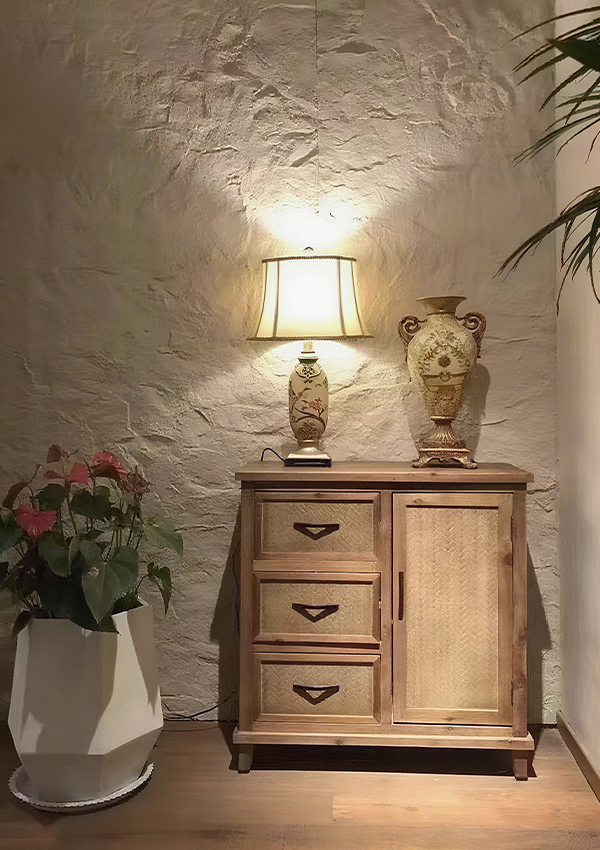
If you're removing wallpaper specifically because you want a cleaner, lower-maintenance wall finish, Decorative Wall Panels installed directly over your existing wall could eliminate the need for removal entirely — a route many renovators now prefer for its speed and finished appearance.
Tools and Materials You Need Before You Start
Gathering everything before you begin is one of those steps that separates a 4-hour job from an all-day frustration. You don't need a lot, but what you do need matters. Below is a complete checklist.
Scoring Tool
A perforating scorer (like the Paper Tiger) creates tiny holes through the wallpaper surface without cutting into drywall. Do not use a utility knife for large areas — the risk of cutting drywall paper is too high. Set the scorer to the lightest setting first.
Spray Bottles or Garden Sprayer
For a single wall, two standard spray bottles work fine. For a full room, a 1-gallon garden pump sprayer saves significant time and keeps both hands freer for removal.
Wide Plastic Scraper or Drywall Knife
A 6-inch plastic scraper is safest for the final removal step. Metal scrapers work faster but require a very light touch to avoid gouging. Keep it nearly flat against the wall — never at a steep angle.
Drop Cloths and Painter's Tape
Wallpaper removal is wet and messy. Cover floors completely with canvas or plastic drop cloths. Tape plastic sheeting to baseboards. Any hardwood floor within splash distance needs protection — the fabric softener solution can dull floor finishes.
Bucket and Sponges
For wiping residual adhesive after peeling, you'll want warm water and a large cellulose sponge. Change the water frequently — dirty water smears glue rather than removing it.
Protective Gear
Nitrile gloves and safety glasses are necessary, especially when working overhead on ceiling borders. Kneepads help for lower sections. Old clothes only — the mixture stains.
Three Proven Methods to Remove Wallpaper Without a Steamer
Each method below suits different situations. Read through all three before choosing — the type of wallpaper you have and the substrate underneath are the deciding factors.
01
Fabric Softener and Warm Water Solution
This is the most popular DIY approach for good reason: fabric softener penetrates adhesive efficiently, and most households already have it. Mix equal parts liquid fabric softener and warm water in your spray bottle. Score the wallpaper surface first, working in 3×3 ft sections. Spray generously, let soak for 12–15 minutes, then peel from a seam or corner. Large sheets should come away cleanly.
Best for: Standard vinyl-coated wallpaper on drywall installed after 1985. Works poorly on foil wallpaper, which resists moisture penetration.
After peeling, spray the remaining adhesive residue with the same solution and wipe immediately with a warm, damp sponge. Repeat if tackiness remains. Allow the wall to dry for a minimum of 24 hours before applying primer or paint.
02
Dish Soap and Hot Water
A tablespoon of dish soap mixed into a gallon of the hottest tap water you can access creates a surprisingly effective removal solution, particularly for older wheat-paste adhesives found in homes built before 1970. The surfactant in dish soap breaks down organic adhesive compounds effectively. Use a paint roller to apply the solution generously rather than a spray bottle — the roller deposits more liquid faster and is easier on larger surfaces.
The key difference with this method is timing: hot water cools rapidly, so work in smaller sections (2×2 ft) and move quickly. Keep the solution container insulated — a small cooler works well. On plaster walls specifically, this is the safest method because it introduces less overall moisture than fabric softener, reducing the risk of plaster softening.
Best for: Homes with plaster walls, or wallpaper applied with original wheat-paste adhesive over 30 years ago.
03
Commercial DIF Concentrate (Liquid Remover)
Products like Zinsser DIF Wallcovering Remover are enzyme-based concentrates specifically formulated to break down wallpaper adhesive. Mixed at roughly 1 oz per gallon of warm water, they outperform DIY solutions on heavily-sized or double-layered wallpaper situations. A 32 oz bottle treats approximately 500 square feet, costing around $12–$18 at hardware stores.
The enzymatic action means you can apply, walk away for 20 minutes, and return to paper that practically falls from the wall. This method is especially useful when you can't identify what type of adhesive was used, or when preliminary testing shows the fabric softener method isn't penetrating. For double-layered wallpaper — older paper applied beneath a newer layer — DIF concentrate is the only non-steam approach that reliably works without multiple applications.
Best for: Double-layered wallpaper, mystery adhesives, commercial-grade or heavy-duty wallcoverings, or when DIY solutions have failed.
Which Method Works for Your Wallpaper Type
Not all wallpapers respond the same way. Identify your wallpaper type before starting — a 30-second test (peel a corner and feel the backing) saves significant time and prevents damaged walls.
| Wallpaper Type | Fabric Softener | Dish Soap + Hot Water | DIF Concentrate | Notes |
|---|---|---|---|---|
| Vinyl-coated (post-1985) | Excellent | Good | Good | Score first, work in sections |
| Paper-backed (pre-1985) | Good | Excellent | Good | May need 2 soak passes |
| Foil / Metallic | Poor | Poor | Excellent | Score heavily; foil resists moisture |
| Fabric / Textile | Fair | Fair | Excellent | Dry-strip top layer first |
| Double-layered | Poor | Fair | Excellent | Work one layer at a time |
| Prepasted (strippable) | Good | Excellent | Good | Plain warm water often sufficient |
Step-by-Step Removal Process for a Standard Room
Following this sequence minimizes wall damage and keeps the project moving efficiently. Each step builds on the previous one — skipping ahead causes problems that require going back.
1
Prepare the Room and Protect Surfaces
Move all furniture to the center of the room and cover with drop cloths. Lay canvas or plastic sheeting from baseboard to 3 feet out across the entire floor perimeter. Turn off the power to all electrical outlets on the wall you're working on — water and outlets are a safety issue even with small amounts of spray. Cover outlet plates with painter's tape after switching off the breaker.
2
Test Your Wallpaper (5-Minute Dry Strip Test)
Find a seam near a corner and attempt to peel the wallpaper dry. If it comes away in large sheets leaving only a thin paper backing, you have strippable wallpaper — a huge time-saver. Remove all the top layer dry, then apply solution only to the backing layer. If it tears immediately into small pieces dry, skip straight to scoring and applying your chosen solution. This single test can save 2–3 hours on a full-room job.
3
Score the Wallpaper Surface
Run the perforating scorer across the entire wall surface in overlapping circular or zigzag motions. Press firmly but not aggressively. The goal is to create thousands of tiny holes that allow the removal solution to reach the adhesive underneath. Do not skip scoring on vinyl-coated wallpaper — the coating repels water almost completely without scoring, making soaking ineffective.
4
Apply Solution and Wait
Working in 3×3 ft sections, spray or roll your solution liberally. The wallpaper should look visibly wet and slightly translucent in places. Set a timer for 12–15 minutes and move to an adjacent section. Do not try to remove paper before it's had time to soak — patience here is the difference between paper that peels in large strips versus paper that tears into frustrating small pieces. In winter, slightly warm your solution since cold water penetrates adhesive much more slowly.
5
Peel and Scrape
Start at seams or corners by lifting with a fingernail or the corner of your scraper. Once you have an edge, pull steadily at a low angle — roughly 15–20 degrees from the wall surface. Pulling at a steep angle puts stress on the drywall face paper. If a section tears, re-wet and wait another 5 minutes before attempting again. Collect fallen pieces in a garbage bag as you go — wet wallpaper left on the floor becomes extremely slippery.
6
Remove Adhesive Residue
After all paper is removed, the wall will still have a layer of dried adhesive that feels slightly tacky. Re-spray with your solution and wipe in circular motions with a large sponge. Rinse your sponge frequently — a sponge loaded with dissolved adhesive just redistributes it. For stubborn patches, a plastic scraper held flat removes residue without wall damage. Failing to remove all adhesive before painting is the leading cause of paint peeling within 6–12 months of a wallpaper removal project.
7
Dry, Repair, and Prime
Open windows and run fans for a minimum of 24 hours. After drying, inspect the wall with a raking light (a flashlight held at a sharp angle to the surface) to reveal any gouges, torn drywall paper, or high spots. Fill gouges with lightweight joint compound, sand smooth when dry, and apply an oil-based primer or shellac-based primer (not latex) before painting. Latex primer applied directly to bare drywall or areas where the face paper was damaged will cause further bubbling.
When Decorative Wall Panels Are a Better Answer Than Removal
Here's something many renovation guides won't mention: in roughly 30–40% of wallpaper removal projects, the wall condition discovered underneath is worse than the wallpaper itself. Damaged plaster, uneven drywall, staining, water marks — all of these require additional repair work that can add days and hundreds of dollars to what seemed like a simple project.
This is where decorative wall panels become genuinely practical rather than merely aesthetic. Modern decorative wall panels — particularly PVC, MDF-backed, or composite panel systems — can be installed directly over existing wallpaper in many situations, completely bypassing the removal process. They create a fresh, flat surface that's paintable, tileable, or pre-finished in dozens of textures and colors.
Wallpaper Removal Route
- 4–8 hours minimum labor
- Risk of drywall damage
- 24–48 hr drying time before painting
- Possible skim-coat or repair needed
- Wet, messy process
- Result depends on hidden wall condition
Decorative Wall Panel Route
- 2–4 hours for a standard room
- No wall damage risk
- Finished surface immediately
- Covers existing imperfections
- Clean, dry installation
- Predictable result regardless of wall state
Decorative wall panels are particularly well-suited for bathrooms, kitchens, and utility areas where the existing wallpaper has moisture damage — precisely the environments where drywall removal problems are most common. Panel systems designed for wet areas eliminate the need for tile, are seamless when installed correctly, and are significantly easier to keep clean than any painted surface.
The practical threshold is this: if you pull back a corner of wallpaper and see significant wall damage, peeling drywall paper, mold, or water staining affecting more than 10% of the wall surface, decorative wall panels installed over the existing paper are worth serious consideration as an alternative to a full removal and repair project.
Common Problems and How to Fix Them Mid-Project
Paper tears into tiny pieces instead of stripping cleanly
The adhesive hasn't softened enough. Re-apply solution, cover the section with plastic sheeting to trap moisture, and wait 20 minutes. The plastic wrap trick can make a significant difference in dry climates or during winter when indoor humidity is low.
Solution isn't penetrating the wallpaper surface
You're dealing with a vinyl-coated or foil wallpaper that wasn't scored adequately. Run the scorer across the section again with more pressure, focusing on overlapping passes. Switch to DIF concentrate if fabric softener continues to bead off the surface.
Drywall surface paper is tearing during removal
Reduce the angle of your scraper immediately — you're pulling too steeply. Wet the section more thoroughly and peel much more slowly. Once drywall paper tears, it cannot be repaired without compound, so slow down even if it means extending the project timeline.
Adhesive residue won't come off after multiple sponging passes
Switch to DIF concentrate at full strength (1:1 with water rather than the diluted application rate) for stubborn adhesive. Apply, wait 5 minutes, and scrape with a plastic floor scraper held nearly flat. Dried wheat paste in older homes may require 3–4 applications.
Wall looks lumpy and uneven after drying
This is almost certainly delaminated drywall face paper that bubbled when wet. Once fully dry (48 hours with ventilation), press firmly — if it's hollow and loose, cut away the delaminated section with a utility knife and fill with joint compound. Sand, prime with shellac, and paint.
The smell of fabric softener is overwhelming the room
Ventilate immediately — open windows, run exhaust fans, and take regular breaks in fresh air. Switch to the dish soap method or DIF concentrate if the scent is problematic. DIF concentrate has a mild, neutral smell and is specifically formulated to be safe in enclosed spaces.
Wallpaper Removal on Plaster, Paneling, and Other Surfaces
The methods above assume standard drywall construction, which covers the majority of homes built after 1950. Older homes present different challenges worth knowing before you begin.
Plaster Walls
Plaster is far more durable than drywall when wet, but it's also susceptible to cracking from scraper pressure. Use the dish soap method (less moisture than fabric softener), apply with a roller rather than a spray, and keep soak times short — 8–10 minutes rather than 15. Use only plastic scrapers on plaster surfaces. Old plaster in homes built before 1930 may have been sized (coated with a thin layer of glue) before wallpaper was hung; this sizing is water-soluble and the wallpaper often comes away surprisingly easily once wet.
Wood Paneling
If wallpaper has been applied over wood paneling, your approach depends on what's behind the paneling. Excessive moisture applied to thin wood paneling causes warping and delamination. Use DIF concentrate at a more diluted rate, keep soak times to 5–8 minutes, and keep scrapers well away from wood grain. Alternatively, decorative wall panels installed over the existing paneling-and-wallpaper combination is a viable and significantly less risky approach — the added depth is typically only 6–8mm.
Painted-Over Wallpaper
This is the most difficult removal scenario and deserves special mention. If a previous owner painted over wallpaper, the paint acts as a moisture barrier over the scoring holes and dramatically slows penetration. You'll need to score more aggressively and use DIF concentrate at full strength. Expect the process to take 2–3 times longer than standard wallpaper. In painted-over wallpaper situations, installing decorative wall panels is strongly worth reconsidering — the removal difficulty often makes it the more practical choice economically.
Frequently Asked Questions
Can I use vinegar instead of fabric softener to remove wallpaper?
Yes. White vinegar diluted 1:1 with warm water works similarly to fabric softener and is a good alternative for people sensitive to fragrance. The acidity helps break down some adhesive types, particularly paste-based adhesives. It won't outperform fabric softener on modern vinyl-coated wallpapers, but it's a perfectly viable substitute with the same application process.
How long does it take to remove wallpaper from a 12×12 ft room without a steamer?
4–8 hours for a single person is the realistic range for a standard 12×12 ft room with standard vinyl-coated wallpaper on drywall using the fabric softener or DIF method. Double-layered or painted-over wallpaper extends this to 10–16 hours. Working with a partner reduces time by roughly 35–40%.
Do I need to score the wallpaper if it's already peeling at the edges?
Yes. Peeling edges indicate the adhesive has failed at seams, but the field (center) of each strip is typically still firmly adhered. Scoring the entire surface ensures the removal solution reaches the adhesive underneath the intact sections. Skipping scoring on peeling wallpaper is a common mistake that leads to uneven results.
Can decorative wall panels be installed directly over wallpaper?
In most cases, yes. Decorative wall panels can be adhered directly over flat, firmly-attached wallpaper using construction adhesive, provided the wallpaper is not peeling, bubbling, or damp. Panels should be secured with both adhesive and finishing nails or screws at studs for larger sheets. The existing wallpaper must be completely flat — any loose sections should be re-adhered or removed before panel installation.
How do I know if my walls are drywall or plaster before starting?
Tap the wall firmly. Drywall produces a slightly hollow sound; plaster sounds solid and dense. You can also check near an electrical outlet — remove the cover plate and look at the wall material thickness. Drywall is typically 1/2 inch thick with a smooth, uniform surface edge. Plaster is thicker (3/4 to 1 inch), heavier, and often shows layers if the edge is visible. Homes built before 1950 are almost always plaster.
What primer should I use after removing wallpaper?
Use an oil-based primer or a shellac-based primer (such as Zinsser BIN). These seal the porous drywall surface and any repaired areas without raising the paper fibers the way water-based latex primers do. Applying latex primer directly to a freshly prepared drywall surface after wallpaper removal is one of the most common causes of a poor final paint finish. Oil or shellac primer is a non-negotiable step, not an optional upgrade.
 ++86-18906857262 / ++86-13754347028
 No.49, Tunnan Industrial Zone, Daohui Street, Shangyu District, Shaoxing City, Zhejiang Province, China