

 English
 русский
 عربى
عربى

A set of design, research and development, production, sales, installation in one of the professional new decorative materials enterprises.
Content
Choosing the right wall paneling is a decision that affects both the appearance and the long-term maintenance of a space. If you are planning a renovation or a new build, the main types of wall paneling you will encounter are flexible stone panels, wood veneer panels, composite panels such as bamboo fiber boards, carbon crystal boards, and honeycomb panels, and decorative sheets like rammed earth or soft stone finishes. This article walks you through the most practical options for commercial and residential interiors, with a focus on the factors that matter in real projects.
The goal is to help you make an informed decision based on project type, budget, installation effort, and the visual outcome you want to achieve. This guide is written for project managers, designers, and homeowners who need a reliable reference for wall paneling selection.
Wall Panel Types at a Glance
Before we look at each family closely, here is a quick overview that compares the most common wall paneling types you will find on the market today. This comparison is based on practical characteristics that affect installation time, durability, and final appearance.
| Type | Key Feature | Typical Application |
|---|---|---|
| Flexible Stone | Lightweight, flexible, natural stone texture | Interior and exterior walls, curved surfaces |
| Wood Veneer | Warm wood grain, stable base | Living rooms, offices, hotel rooms |
| Bamboo Fiber | Eco-friendly, moisture resistant | Residential, commercial |
| Carbon Crystal | High hardness, easy to clean | High-traffic areas |
| Honeycomb | Lightweight, rigid | Modular partitions |
| Rammed Earth | Artisanal texture | Feature walls, restaurants |
This table highlights the main differences that influence purchasing decisions. In the following sections, we explore each type in more detail, starting with flexible stone wall panels.
It is important to note that modern wall paneling is not limited to these categories. There are also decorative metal sheets, textile-wrapped panels, and glass-reinforced boards. However, the types listed above represent the most commonly specified options in current interior design and construction.
Flexible Stone Wall Panels
Flexible stone wall panels are one of the most innovative categories in modern wall paneling. Unlike rigid natural stone slabs, these panels are made by bonding a thin layer of stone powder and resin onto a flexible backing. This construction allows the panel to be applied to curved columns, rounded walls, and uneven surfaces without cracking. It also reduces the overall weight significantly, which simplifies handling and lowers the structural load on a building.
A major advantage is that flexible stone panels retain the visual depth of natural stone such as slate, travertine, or granite while requiring far less cutting and fewer heavy tools. For example, a slate-effect flexible stone panel can be trimmed with a utility knife and installed using adhesive, which speeds up the process compared with traditional stone tile installation that requires a wet saw and mortar.
These panels are available in a range of surface treatments. The 3D tactile surface series adds embossed patterns such as brick, mosaic, woven textures, and geometric designs, giving a handcrafted feel to both exterior facades and interior accent walls. The natural stone vein series replicates the natural layering of slate, sandstone, and other stones. The composite simulation series even mimics concrete, rammed earth, or metal finishes.
One of the practical reasons designers choose flexible stone is the ability to wrap curves. For example, a column with a radius of 300 mm can be clad without visible joints when flexible stone panels are used, whereas rigid stone would require multiple pieces and visible seams.
Because of their flexibility, these panels are often used in hotel lobbies, restaurant feature walls, residential living rooms, and commercial corridors. They are also a good choice for adding texture to exterior pillars and curved architectural elements.
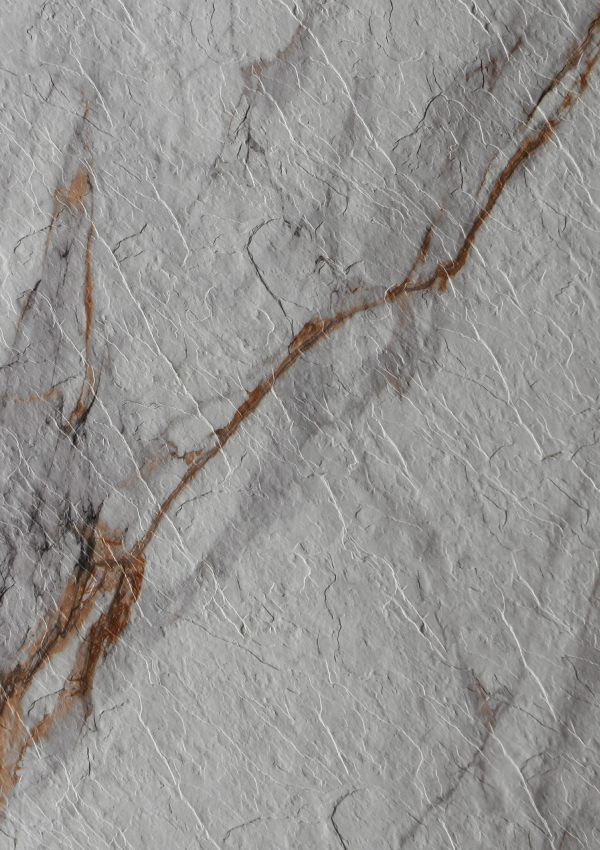 Slate Flexible Soft Stone Wall PanelThis lightweight, flexible slate panel offers natural stone texture and adapts to curved surfaces, making it a practical choice for renovation projects requiring minimal structural load.View Product →
If you are considering a classic stone look with the benefits of flexibility, a slate flexible stone wall panel offers a balanced combination of natural aesthetics and practical installation advantages.
Wood Veneer Paneling
Wood veneer paneling is a classic choice for bringing the warmth of natural wood into a space while offering a more stable and economical alternative to solid timber. A typical wood veneer wall panel system consists of a base board that provides structural integrity and a decorative surface film that carries the wood grain or finish.
The base board is often made from engineered wood or wood-plastic composite materials. This base is designed to resist warping, moisture, and insect damage better than solid wood, which makes it a reliable option for interior walls. The surface film can be a high-quality PVC or PET material, available in wood grain, metal, fabric, and premium satin finishes. For example, a high-end scratch-resistant wood grain film can withstand daily wear in commercial environments while preserving the look of natural oak or walnut.
The variety of surface films also allows designers to achieve different looks. A brushed metal film can create a modern industrial vibe, while a fabric-finish vinyl wrap adds a soft, tactile feel. This flexibility means wood veneer paneling can be adapted to many design styles without changing the underlying substrate.
Wood veneer paneling is frequently used in living rooms, bedrooms, office reception areas, and hotel guest rooms. It gives a space a warm, inviting atmosphere and can be combined with lighting or trim to create modern wall features. The panels are typically installed over a framework or directly onto a flat substrate with adhesive, depending on the product type.
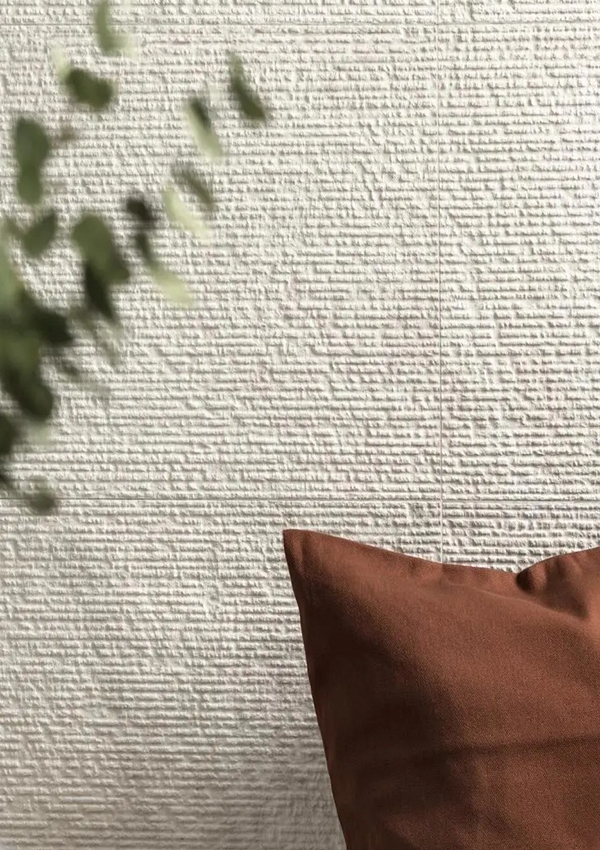 Base Board of Wood Veneer PanelingA versatile wood veneer backing board that brings warmth to spaces, suitable for various indoor applications and compatible with standard adhesives for easy installation.View Product →
To understand the full range of construction details, including substrate selection and film types, you can read this wood veneer paneling knowledge encyclopedia.
Other Common Wall Paneling Types
Beyond flexible stone and wood veneer, several other paneling types appear regularly in both residential and commercial projects. Each has its own set of advantages, so it is useful to know what they offer.
Bamboo Fiber Panels
Bamboo fiber panels are lightweight and have a natural, eco-friendly reputation. They are often used in living rooms, offices, and light commercial spaces. The material is moisture-resistant and relatively easy to cut, making it popular for DIY and semi-professional installations.
Carbon Crystal Panels
Carbon crystal panels are known for their hard, smooth surface and resistance to scratches. Because they are easy to clean, they are a strong option for high-traffic corridors, classrooms, and commercial waiting areas. Their polished appearance can be modern and sleek.
Honeycomb Panels
Honeycomb panels use a rigid core structure that provides excellent strength-to-weight ratio. They are frequently used in modular partitions, elevator interiors, and specialized architectural features where stability and low weight matter.
Rammed Earth Panels
Rammed earth panels replicate the layered, earthy look of traditional rammed earth construction without the heavy structural requirements. They are ideal for feature walls in restaurants, wellness spaces, and boutique hotels that want an organic, textured appearance.
Beyond these, soft stone panels (also called flexible stone) can simulate natural materials such as timber, cement, and metal. This makes them a versatile tool for designers who want a consistent wall texture across a project while using a single application method.
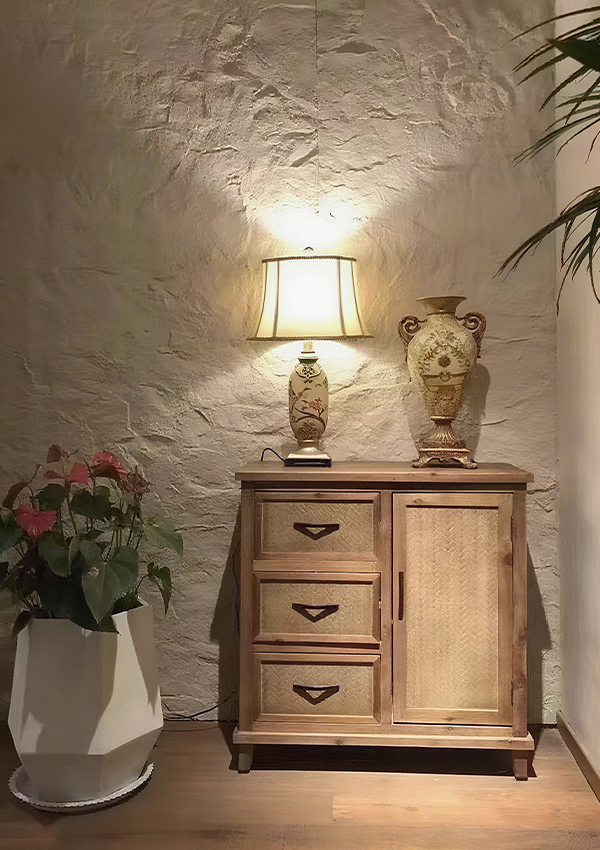
 Fine/Coarse Rammed Earth Panel Flexible Soft Stone Wall PanelThis rammed earth-effect panel provides an earthy, natural tone with flexible installation, offering the look of soil and stone in a lightweight format for easy application.View Product →
For a designer looking to add a natural earth tone to a space, a fine-coarse rammed earth panel provides the visual characteristics of soil and stone in a format that is much easier to install.
How to Choose the Right Wall Paneling
Selecting the ideal wall paneling for your project comes down to a few concrete factors. Here is a practical checklist to guide you.
- Identify the location and environment. Is it an interior or exterior wall? Does it face moisture, direct sunlight, or heavy traffic? This determines the need for moisture resistance, UV stability, and impact durability.
- Evaluate the installation method. Flexible stone panels can be glued directly to a substrate, which works well for curved surfaces. Wood veneer panels may require a framework or adhesive. Honeycomb panels often use a mechanical fix system.
- Consider aesthetics and design consistency. Different panel types produce different visual textures. For a seamless wood look, wood veneer with a matching grain pattern is ideal. For an earthy texture, rammed earth panels create a unique statement.
- Account for total project cost, including material, labor, and any finishing accessories. A panel that is easier to install can offset a higher material price by reducing installation time.
These factors are not independent. In many real projects, the decision starts with the design concept, then moves to performance requirements, and finally lands on a budget calculation.
When comparing options, it is also helpful to consider the availability of matching trim pieces and edge profiles. Some panel systems offer preformed corners and edging that make installation cleaner and faster.
Installation and Maintenance Tips
Proper installation is essential for both the performance and the appearance of your wall panels. For flexible stone panels, start by ensuring the substrate is clean, flat, and completely dry. Apply the recommended adhesive evenly, then press the panel firmly from the center outward to remove air pockets. Be careful with curved surfaces: the flexible nature of the material allows you to bend it gently, but avoid sharp creases.
For wood veneer panels, allow the panels to acclimate to the room temperature and humidity before installation. Follow the manufacturer's guidance on fastening and adhesive selection. If you are covering a large area, consider leaving a small expansion gap to prevent warping.
Maintenance is generally straightforward. Most wall panels can be cleaned with a soft cloth and a mild detergent. Avoid abrasive pads, harsh solvents, and excessive water on wood-based products. For exterior flexible stone panels, inspect the edges and sealing periodically to ensure there is no water intrusion. Re-sealing may be needed over time depending on exposure.
Another key point is to plan for electrical outlets and switch boxes before installing the panels. It is much easier to cut precise openings while the panel is still on the floor rather than after it is fixed to the wall.
Frequently Asked Questions
Are flexible stone panels suitable for outdoor use?
Yes, many flexible stone panels are designed for exterior cladding, provided they are sealed and installed according to the manufacturer's guidelines. They can be applied to exterior walls, pillars, and curved architectural elements.
How long do wood veneer panels last?
With proper maintenance, wood veneer panels can last for many years. The surface film protects against scratches and moisture, while the engineered base board resists warping and pest damage.
Can I install wall panels over existing tiles?
Generally, it is possible if the tile surface is stable and clean. However, it is safer to remove loose tiles and repair the substrate to ensure a strong bond. For flexible stone panels, a flat and sound surface is especially important.
Which paneling is easiest to clean?
Carbon crystal and PVC-based panels are among the easiest to maintain, as they have a smooth, non-porous surface. A simple wipe with a damp cloth is usually enough to keep them looking new.
Are wall panels suitable for bathrooms and kitchens?
Some types, such as flexible stone and bamboo fiber panels with proper surface treatment, are suitable for wet areas. For kitchens, a smooth carbon crystal or PVC/metal finish can be a practical choice because it resists grease and is easy to wipe.
Do I need a professional installer?
For large projects or curved surfaces, professional installation is recommended to achieve a seamless look and avoid adhesive failure. For small, straight areas, some experienced DIYers can handle the task, but you should always follow the product instructions.
In short, the best wall paneling type for your project is the one that balances appearance, performance, and budget within its intended environment. By understanding the strengths of flexible stone, wood veneer, and composite panels, you can make an informed choice that will serve you for years. Whether you are designing a hotel lobby, a residential living room, or an office corridor, taking the time to match the material to the space is always worth it.

 ++86-18906857262 / ++86-13754347028
 No.49, Tunnan Industrial Zone, Daohui Street, Shangyu District, Shaoxing City, Zhejiang Province, China