1. The Core Value and Industry Trends of Wood Veneer Panel Base Materials
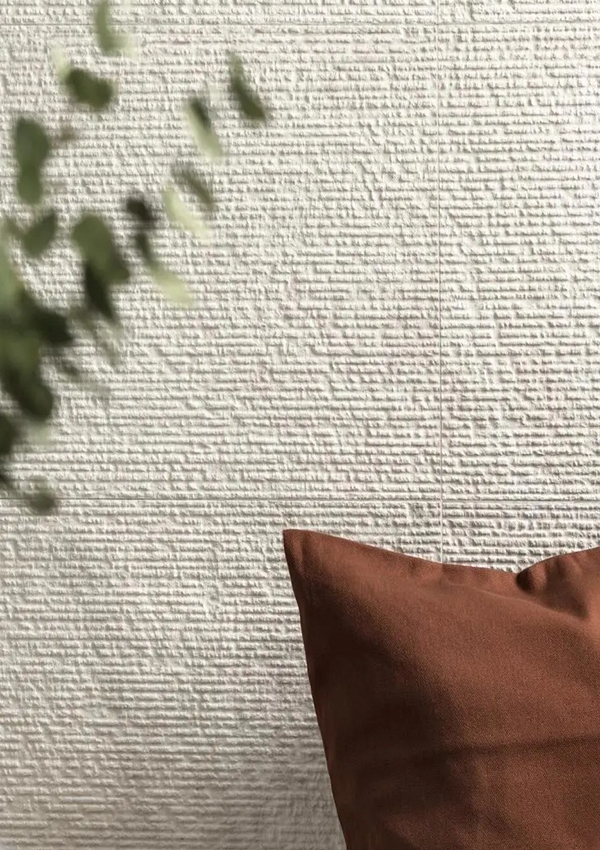
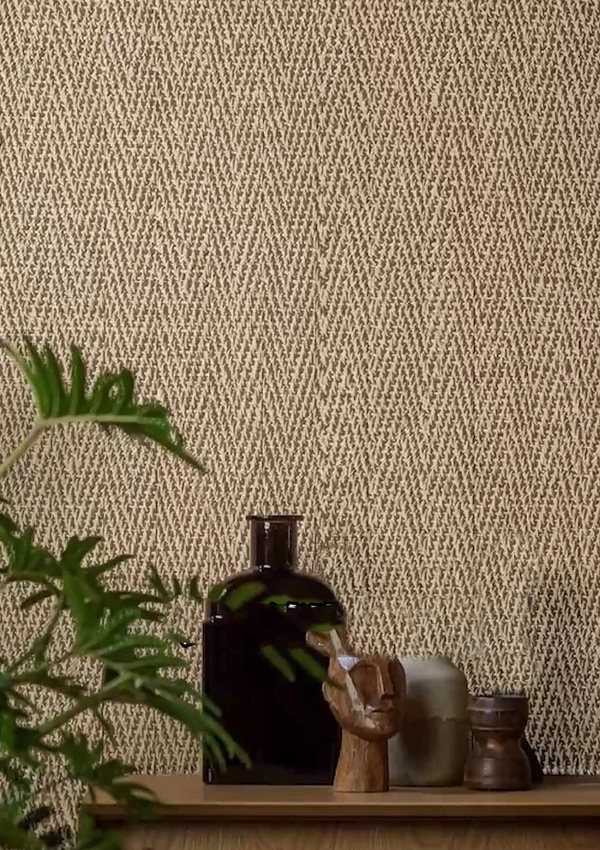
The baseboard of wood veneer paneling is the key factor determining the performance, environmental friendliness, and installation efficiency of modern wall decorative panels. With the increasing consumer demand for healthy, environmentally friendly, and efficient decoration, traditional plywood and MDF base materials are gradually being replaced by new environmentally friendly composite materials such as bamboo charcoal co-extruded panels and bamboo wood fiber panels.
The common characteristics of these new base materials are: high environmental protection, moisture and mildew resistance, easy installation, and strong durability. Through high-tech composite processes, they combine natural plant fibers (such as bamboo powder and wood powder) with polymer materials, greatly improving the overall performance of the panels.
1.1 Innovative Advantages of New Base Materials
Environmental Protection: Using natural powders as the main raw material, the production process adds little or no formaldehyde, achieving E0 level or even higher environmental standards.
Moisture Resistance: The characteristics of the composite material give it excellent waterproof, moisture-proof, and mildew-proof properties, making it particularly suitable for humid environments.
Structural Stability: It possesses good impact resistance and corrosion resistance, is not easily deformed or cracked, greatly extending the service life of decorative wall panels.
2. Detailed Explanation of Shaoxing Mingyou's Featured Environmentally Friendly Base Material Series
Shaoxing Mingyou Decoration Materials Co., Ltd., relying on its strong R&D and production capabilities, focuses on providing high-performance environmentally friendly base material solutions. The company's two core base material series – bamboo charcoal co-extruded panels and bamboo wood fiber panels – provide a solid foundation for wood veneer decoration.
2.1 Bamboo Charcoal Co-extruded Panel
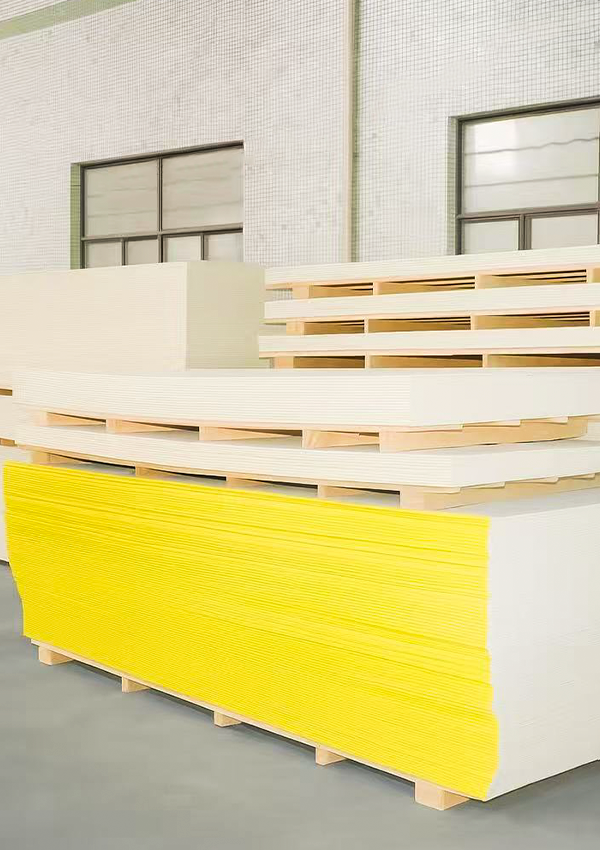
Bamboo charcoal co-extruded panel is a high-performance wood-plastic panel produced using a high-temperature co-extrusion process.
Main Components: Bamboo charcoal powder, calcium powder, PVC.
Performance Characteristics: The addition of bamboo charcoal gives the panel excellent adsorption properties and the potential to purify the air; the composite of high-molecular PVC ensures the panel's high strength, weather resistance, and superior waterproof and moisture-proof capabilities.
Installation Requirements: For indoor installation, it is recommended to use neutral-cure structural adhesive to ensure the strength, durability, and environmental friendliness of the bonding.
2.2 Bamboo-wood Fiber Board
Bamboo-wood fiber board is a composite panel that combines natural elements and advanced technology, possessing excellent strength and aesthetics.
Main Components: Bamboo powder, wood powder, calcium powder, polymer resin.
Product Segmentation and Advantages:
Solid Large-format Panels: Solid structure, suitable for areas requiring high strength.
Co-extruded Impact-resistant Solid Panels: The addition of a co-extruded layer further enhances the impact resistance and surface wear resistance of the panels.
Modular Seamed Large-format Panels: Available in 400mm and 600mm modular widths, equipped with precision joint systems for fast, flat, seamless or micro-seam splicing, significantly improving construction efficiency.
3. Comparison of Shaoxing Mingyou Company and the Application Value of New Substrate Materials
Shaoxing Mingyou Company, by providing these two series of substrate materials, brings significant improvements in efficiency and quality to the interior decoration industry.
| Substrate Type |
Substrate Type |
Main Value/Application Scenarios |
| Bamboo charcoal co-extruded board |
Bamboo charcoal co-extruded board |
Suitable for spaces with extremely high requirements for environmental protection and moisture resistance, such as hospitals and wellness centers. |
| Bamboo and wood fiber board |
Bamboo and wood fiber board |
Suitable for chain hotels and commercial chains, enabling quick installation and consistent results. |
| Company's overall capabilities |
We integrate the entire industry chain (from design to installation) and cooperate with listed/well-known companies such as Xilinmen. |
Provides a one-stop wall material solution, ensuring stable supply and project delivery capabilities. |
4. Frequently Asked Questions (FAQ)
Q1: Which is more environmentally friendly, bamboo charcoal co-extruded board or bamboo-wood fiber board?
A: Both types of boards are highly environmentally friendly materials, far superior to traditional MDF and plywood. Their core components include natural plant powder and polymer resin, and almost no formaldehyde is used in the production process. Bamboo charcoal co-extruded board, due to the addition of bamboo charcoal, also has the added function of adsorbing and purifying indoor air.
Q2: Can these substrates be used directly on exterior walls or in outdoor environments?
A: Although both bamboo charcoal co-extruded board and bamboo-wood fiber board have excellent moisture resistance, they are primarily designed for indoor environments. If they need to be used in outdoor or semi-outdoor environments, you need to choose products specifically designed for outdoor use, such as the aluminum-wood decorative panels that our company mainly sells, to ensure weather resistance under long-term exposure to sun and rain.
Q3: Why is the modular size recommended for bamboo-wood fiber board?
A: The modular size design is intended to improve on-site installation efficiency and ensure the flatness of the decorative effect. Combined with a precision joint system, it minimizes on-site cutting, enabling quick "snap-fit" or "adhesive" installation, making it particularly suitable for large-scale, standardized renovation projects.
Q4: What are the advantages of using neutral-curing structural adhesive for interior installation?
A: The recommendation to use neutral-curing structural adhesive is primarily based on considerations of environmental friendliness, bonding strength, and durability. Neutral adhesives do not release acidic substances during the curing process and are non-corrosive to the substrate; at the same time, structural adhesives have stronger bonding strength, ensuring that large panels remain firmly attached to the wall even under changes in temperature and humidity.


 English
 русский
 عربى
عربى

 ++86-18906857262 / ++86-13754347028
 No.49, Tunnan Industrial Zone, Daohui Street, Shangyu District, Shaoxing City, Zhejiang Province, China