

 English
 русский
 عربى
عربى

A set of design, research and development, production, sales, installation in one of the professional new decorative materials enterprises.
Content
Decorative Wall Panel Usage Tips and Creative Applications
1. Highlighting Key Areas (Accent Walls)
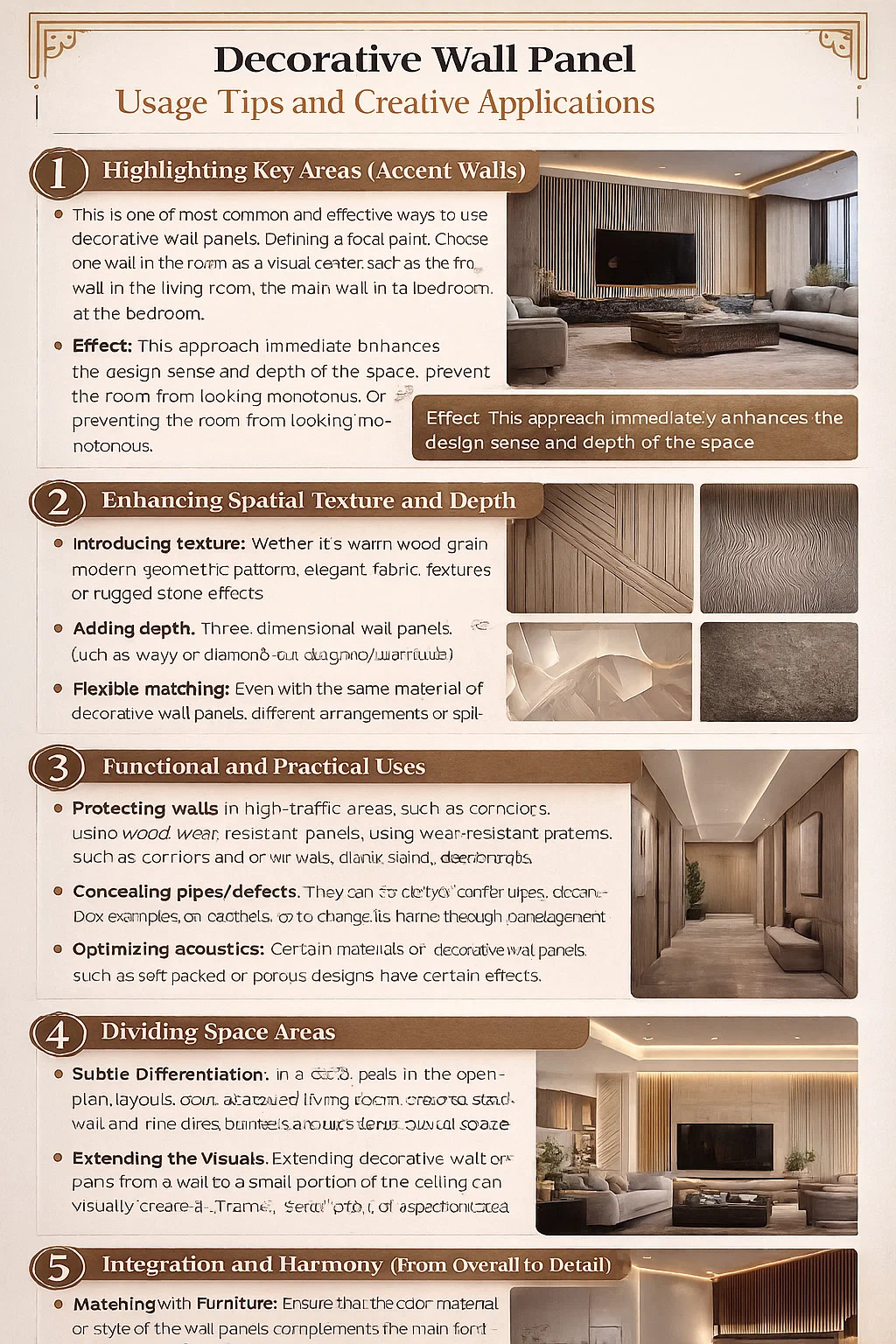
This is one of the most common and effective ways to use decorative wall panels.
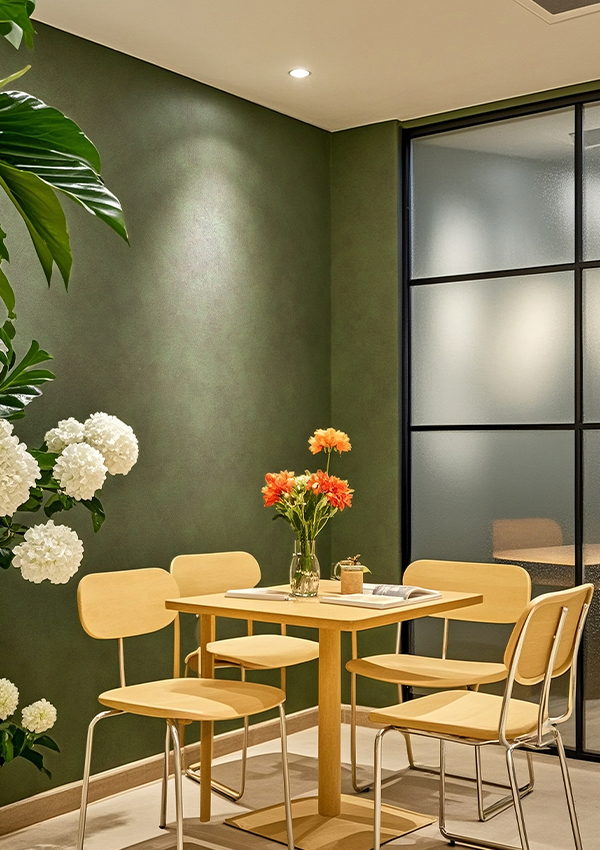
Defining a focal point: Choose one wall in the room as a visual center, such as the TV wall in the living room, the wall behind the sofa, the main wall in the dining room, or the headboard wall in the bedroom.
Creating layers: Use decorative wall panels with unique textures, three-dimensional reliefs, or vibrant colors on this wall, contrasting them with the ordinary paint or wallpaper on other walls.
Effect: This approach immediately enhances the design sense and depth of the space, preventing the room from looking monotonous.
2. Enhancing Spatial Texture and Depth
Decorative wall panels offer a tactile and three-dimensional effect far superior to flat paint.
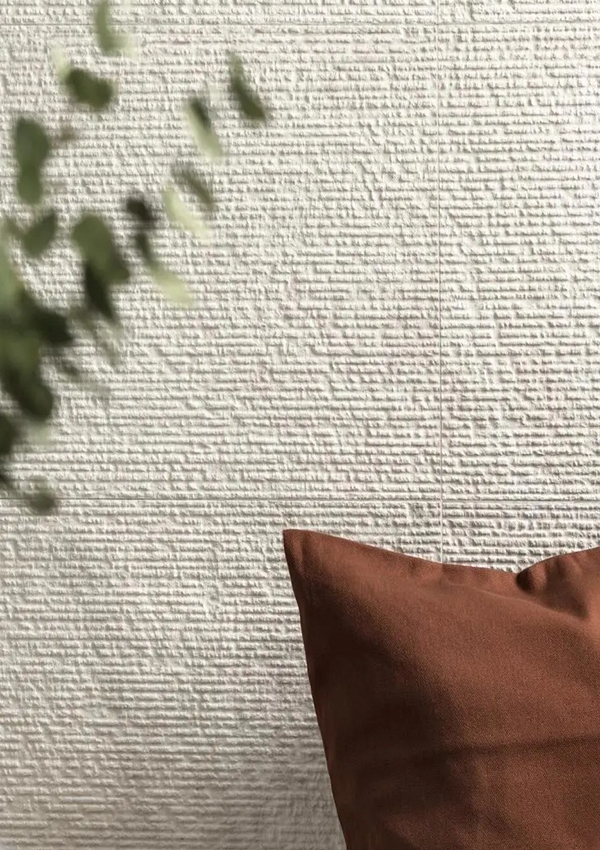
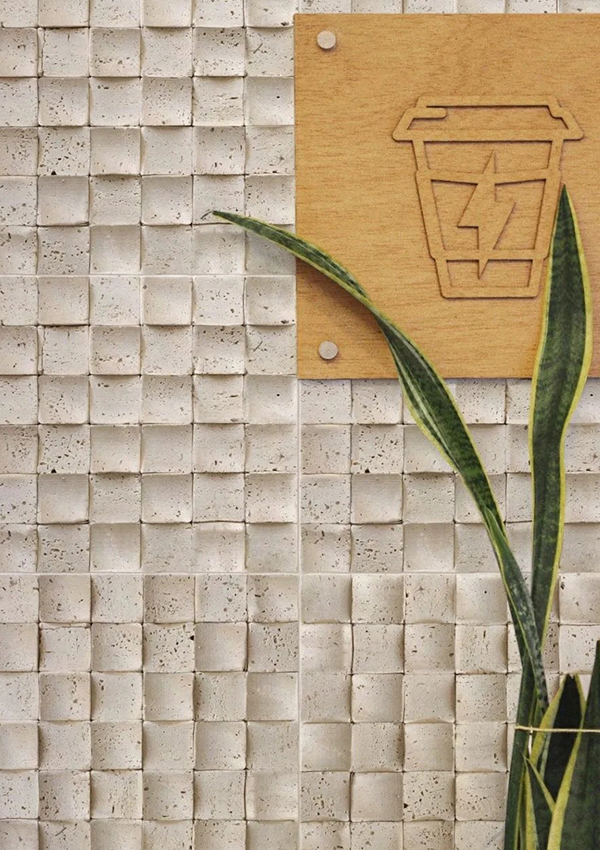
Introducing texture: Whether it's warm wood grain, modern geometric patterns, elegant fabric textures, or rugged stone effects, choosing the right panels can set the tone for the room.
Adding depth: Three-dimensional wall panels (such as wavy or diamond-cut designs) utilize changes in light and shadow to create rich visual layers, making the wall "come alive."
Soft matching: Even with the same material of decorative wall panels, different arrangements or splicing methods can showcase different artistic effects.
3. Functional and Practical Uses
In addition to aesthetics, decorative wall panels also have certain practical functions.
Protecting walls: In high-traffic areas, such as corridors or the lower part of walls in children's rooms, using wear-resistant and easy-to-clean wall panels can effectively prevent daily bumps and stains.
Concealing pipes/defects: They can be used to cleverly cover unsightly pipes, switch boxes, or other architectural defects on the wall, making the wall smoother and neater.
Optimizing acoustics: Certain materials of decorative wall panels, especially flexible soft-packed or porous designs, have certain sound absorption or sound insulation effects, which helps to improve the sound quality of the room.
4. Dividing Space Areas
In open-plan layouts, decorative wall panels can serve as a subtle tool for dividing areas. Subtle Differentiation: In a large, open space, such as a combined living and dining room, using wall panels with different styles or colors in different areas can define the boundaries of each functional zone.
Extending the Visuals: Extending decorative wall panels from the wall to a small portion of the ceiling can visually create a "frame," setting apart a specific functional area (such as a reading nook).
5. Integration and Harmony (From Overall to Detail)
When using decorative wall panels, it's important to consider their coordination with other elements in the room.
Matching with Furniture: Ensure that the color, material, or style of the wall panels complements the main furniture in your room (such as the dining table, bed frame, or cabinets) to create a unified overall look.
Lighting Coordination: Lighting is the "soulmate" of three-dimensional decorative wall panels. By installing spotlights or LED strips above or to the side of the panels, you can highlight their texture and three-dimensional effect, allowing shadows to become part of the design.
Simplicity is Beauty: If the wall panels themselves have complex patterns and textures, then the surrounding decorations and furniture should be kept as simple as possible to avoid clutter and maintain visual balance.


 ++86-18906857262 / ++86-13754347028
 No.49, Tunnan Industrial Zone, Daohui Street, Shangyu District, Shaoxing City, Zhejiang Province, China