

 English
 русский
 عربى
عربى

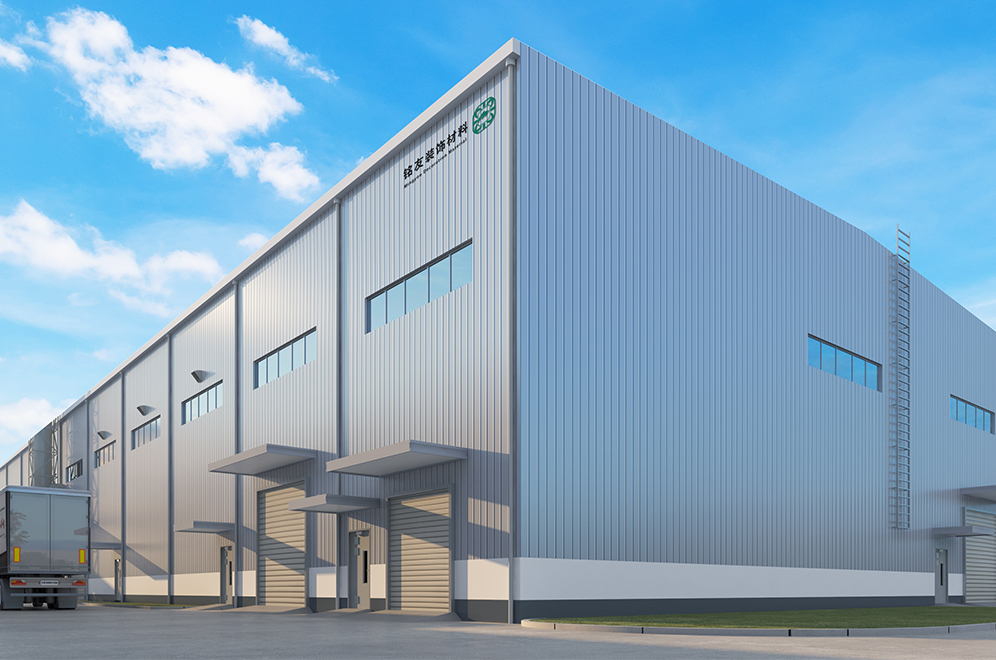
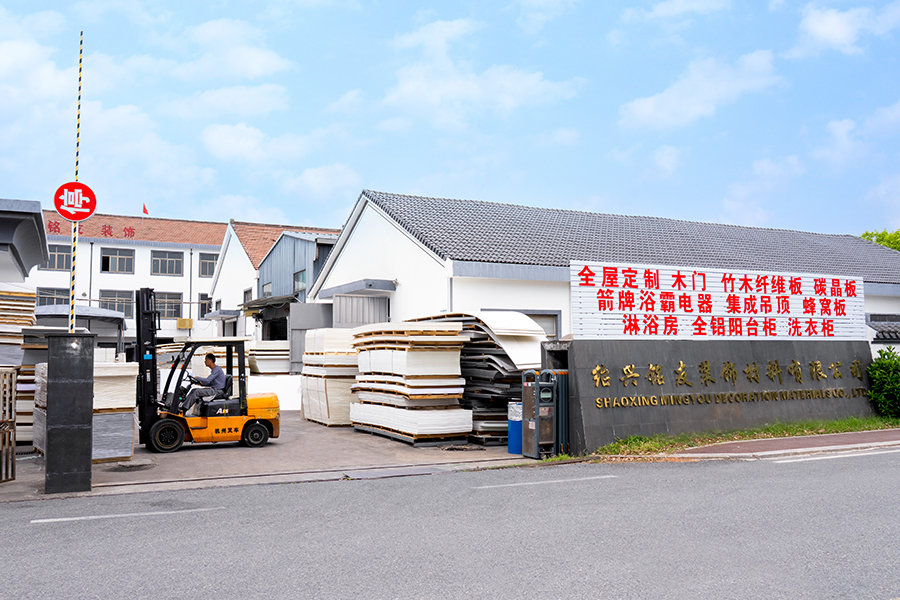
A set of design, research and development, production, sales, installation in one of the professional new decorative materials enterprises.
Features and Performance
Bendable Stone Panel panels are produced to consistent dimensional and performance standards. The following characteristics are representative of the product category.
- Flexibility: The panel substrate bends to a minimum radius of 10 cm, allowing installation on curved and irregular surfaces without cracking or delamination.
- Lightweight construction: Panel weight typically ranges from 1.5 to 4 kg per square metre, depending on substrate and surface layer specification.
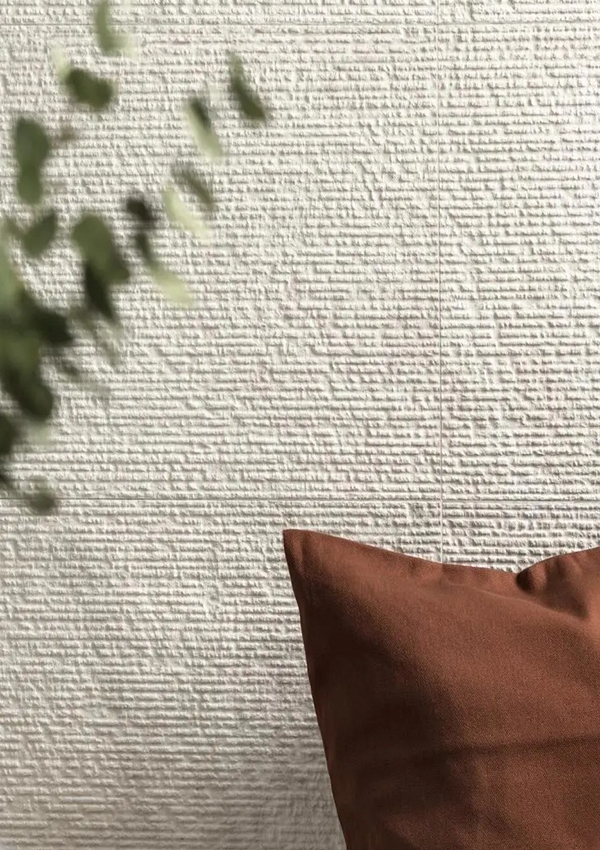
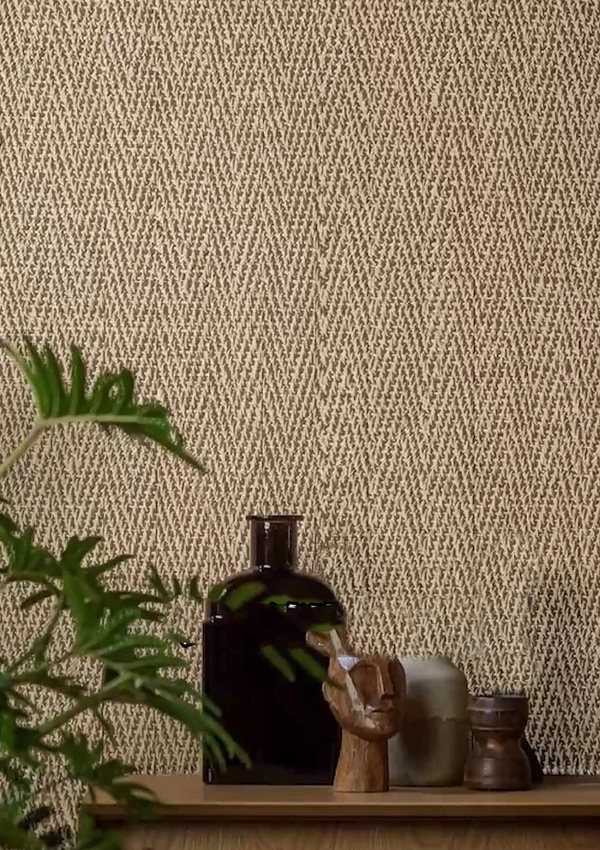
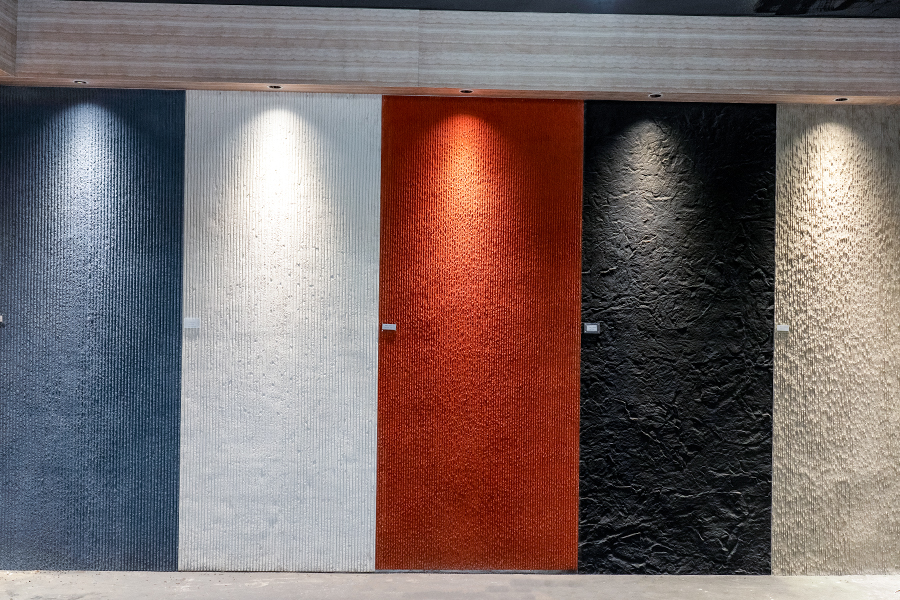
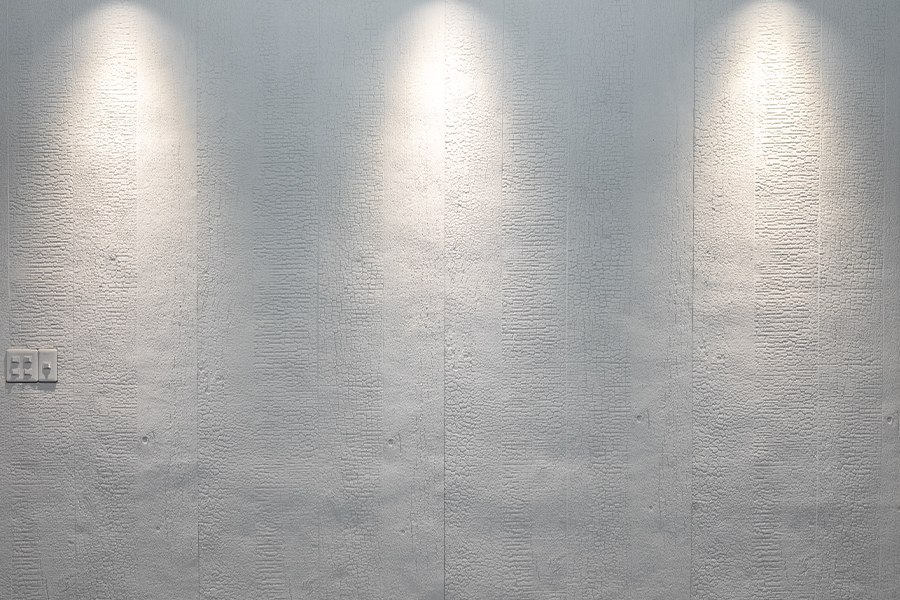
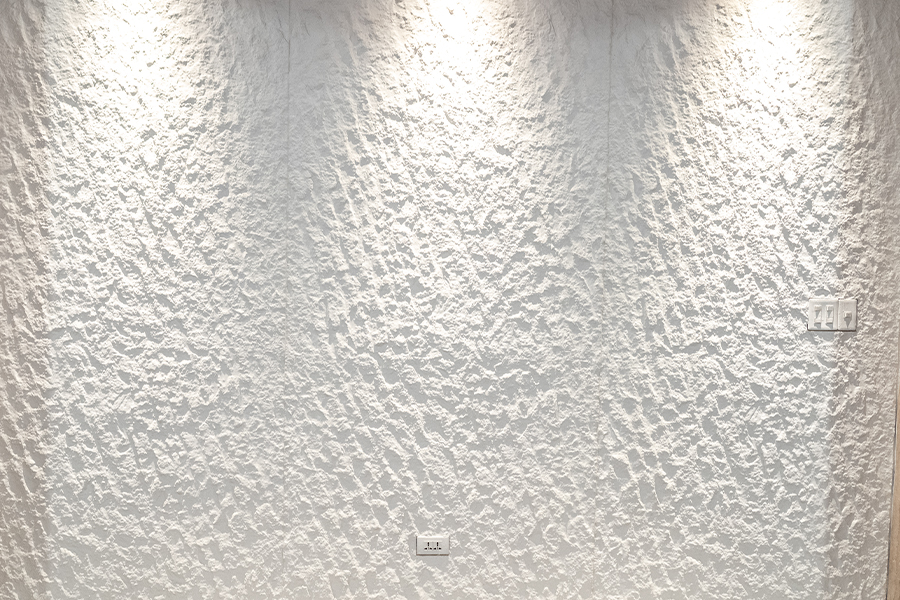
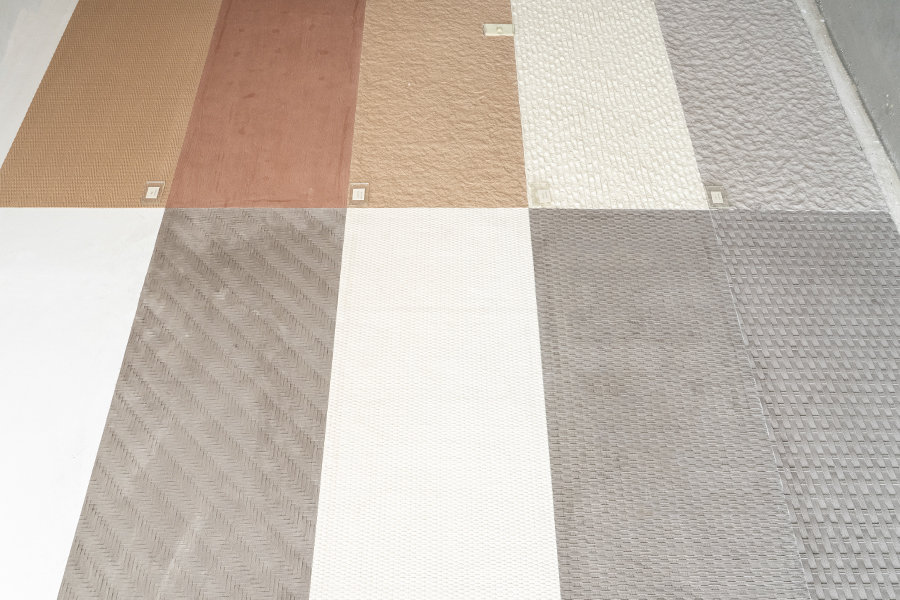
- Surface realism: The decorative layer is produced using high-resolution transfer or natural material slicing techniques, resulting in accurate reproduction of texture and colour variation.
- Dimensional stability: Panels maintain their dimensions across temperature ranges of minus 20 degrees Celsius to plus 60 degrees Celsius.
- Moisture resistance: The substrate and bonding layer are engineered to resist moisture ingress in high-humidity environments.
- Fire behaviour: Products are available with Class B1 fire-rated substrate options in compliance with standard building codes.
| Performance Attribute | Specification | Test Standard |
|---|---|---|
| Panel weight | 1.5 to 4.0 kg/m2 | ISO 9001 production standard |
| Minimum bend radius | 10 cm | Internal flexural test |
| Operating temperature range | minus 20 to plus 60 degrees C | ASTM E84 reference |
| Surface abrasion resistance | Class AC3 or higher | EN 13329 |
| Moisture absorption | Below 3 percent by weight | ISO 62 |
| Fire classification | B1 (available option) | GB 8624 / EN 13501-1 |
| Panel thickness | 1 to 3 mm (standard) | Factory QC measurement |
| Roll or sheet width | Up to 1220 mm | Factory production specification |
Performance data is based on standard production specifications. Project-specific requirements, including custom fire ratings, antimicrobial surface treatments, and enhanced UV stability, can be discussed with the technical team prior to order placement.
Purchasing Tips
When sourcing Bendable Stone Panel, a clear understanding of project requirements before placing an order reduces the likelihood of material substitution, delay, or cost overrun. The following points cover the principal considerations for buyers.
Define the application environment first. Indoor residential applications have different technical requirements compared to exterior facades or wet-area installations. Confirm whether the specified product carries the relevant moisture resistance, fire rating, or UV stability certification for the intended use.
Request physical samples. Colour and texture rendering on screen differs from the in-person appearance of the installed panel. Request a physical sample, ideally at the scale of at least 300 mm by 300 mm, before committing to a full order.
Clarify MOQ and lead time. Standard stock items typically have a minimum order quantity beginning at one roll or ten square metres. Custom colours, custom dimensions, or certified-grade panels may carry higher MOQ thresholds and longer production lead times.
| Consideration | What to Check | Why It Matters |
|---|---|---|
| Surface finish | Request physical sample and finish specification sheet | Screen colour differs from real-world appearance |
| Panel thickness | Confirm 1 mm, 2 mm, or 3 mm variant suits the substrate | Affects adhesive type and total wall buildup depth |
| Fire rating | Ask for test certificate reference number | Required for commercial and public building approval |
| Moisture resistance | Check product datasheet for moisture absorption rate | Critical for bathrooms, kitchens, and exterior use |
| Minimum order quantity | Confirm per-SKU MOQ in writing | Avoids surprises at order confirmation stage |
| Lead time | Ask for production and shipping schedule | Important for project scheduling |
| Certifications | Request copies of CE, SGS, or REACH certificates | Required for import compliance in many markets |
| Packaging | Confirm roll or sheet format, core diameter, pallet spec | Affects container loading and site handling |
It is advisable to order five to ten percent additional material beyond the calculated installation area to allow for cuts, waste, and any future repairs. For commercial projects, retaining a small quantity of the original production batch facilitates colour-matched repair if required.
Usage Methods and Tips
Bendable Stone Panel panels are compatible with a range of installation and finishing methods. The guidance below applies to standard interior wall applications. Exterior or wet-area installations may require additional preparation steps as noted.
Surface preparation: The substrate wall must be clean, dry, and structurally sound. Remove loose paint, dust, grease, and any previous adhesive residue. Fill cracks or voids with an appropriate filler and allow to cure fully before panel installation begins.
Acclimatisation: Allow the panels to sit in the installation environment for at least 24 hours before installation. This allows the material to adjust to the ambient temperature and humidity, reducing the risk of dimensional movement after fixing.
Adhesive selection: Use a neutral-cure silicone adhesive or a contact cement approved for flexible composite panels. Solvent-based adhesives may cause surface discolouration on certain panel types. Confirm adhesive compatibility with the panel supplier before use.
| Usage Scenario | Recommended Method | Notes |
|---|---|---|
| Flat interior wall | Full-coverage contact adhesive | Roll firmly with a rubber roller after positioning |
| Curved column or pillar | Flexible contact adhesive applied to both surfaces | Allow adhesive to become touch-dry before bonding |
| Exterior facade | Mechanical fixing plus sealant at joints | Use stainless steel fixings to prevent corrosion |
| Wet area (bathroom) | Waterproof adhesive plus silicone bead at all joints | Seal perimeter edges to prevent water ingress |
| Ceiling application | Contact adhesive plus temporary support until cured | Use support boards to hold panel during adhesive cure |
| Panel joining | Butt join with 1 to 2 mm gap, fill with matching silicone | Allows for thermal movement without joint opening |
Panels can be cut with a sharp utility knife, a fine-tooth saw, or an angle grinder fitted with a stone or wood cutting disc, depending on the panel type. Score-and-snap methods are suitable for thinner panel variants. Always cut from the decorative face side to avoid surface chipping.
Maintenance Tips
Routine maintenance of Bendable Stone Panel is straightforward. The surface does not require sealing, waxing, or specialist treatment under normal use conditions. The following guidance covers cleaning, periodic inspection, and minor repair procedures.
Routine cleaning: Wipe the surface with a damp cloth or soft sponge using a mild neutral detergent. Avoid abrasive pads, wire brushes, or strongly alkaline or acidic cleaners, as these may affect the surface texture or colour over time.
Stain removal: For oil-based stains, apply a small amount of isopropyl alcohol to a soft cloth and wipe gently. For mineral deposits or hard-water marks, use a diluted white vinegar solution and rinse with clean water. Test any cleaning solution on an inconspicuous area before applying to the full surface.
Periodic inspection: Check panel edges and joints annually for signs of lifting, cracking, or sealant deterioration. Address any lifted edges promptly by applying a small amount of compatible adhesive and applying pressure until bonded.
| Maintenance Task | Frequency | Method | Products to Avoid |
|---|---|---|---|
| General surface cleaning | Weekly or as needed | Damp cloth with neutral detergent | Abrasive cleaners, bleach-based products |
| Stain removal | As required | Isopropyl alcohol or diluted vinegar | Solvent-based cleaners on textured surfaces |
| Edge and joint inspection | Annually | Visual check and gentle probe | n/a |
| Joint sealant re-application | Every 3 to 5 years | Remove old sealant, clean, apply fresh silicone | Acetic-cure silicone on porous surfaces |
| Surface protective coating (optional) | Every 3 to 5 years for exterior | Apply UV-stable clear coat with a roller | Oil-based varnish on flexible substrates |
Panels installed in exterior locations with direct sun exposure may benefit from an annual application of a UV-protective clear coat to maintain surface colour stability. Interior panels in low-traffic areas typically require no treatment beyond routine cleaning for the lifetime of the installation.
Installation Tips and Methods
The installation of Bendable Stone Panel follows a logical sequence. The steps below describe the standard process for an interior wall application. Site conditions, panel type, and substrate characteristics may require adjustments to this sequence.
- Step 1 — Measure and plan: Measure the wall area accurately and calculate the panel quantity required, adding ten percent for waste. Plan the layout to minimise visible cut lines and ensure pattern alignment where relevant.
- Step 2 — Prepare the substrate: Ensure the wall is flat (within 3 mm over a 2-metre straightedge), clean, dry, and free from loose material. Prime the substrate if recommended by the adhesive manufacturer.
- Step 3 — Cut panels to size: Mark and cut panels using a straight edge and sharp utility knife (for thin panels) or a fine-tooth saw. Support the panel fully during cutting to prevent cracking.
- Step 4 — Dry-fit: Position panels on the wall without adhesive to confirm fit, alignment, and pattern match. Mark reference lines on the wall.
- Step 5 — Apply adhesive: Apply adhesive to the back of the panel or the wall surface as directed by the adhesive product instructions. For contact adhesive, apply to both surfaces and allow to become touch-dry.
- Step 6 — Fix the panel: Position the panel carefully against the reference lines and press firmly across the entire surface. Use a rubber roller or flat board to ensure full contact and eliminate air pockets.
- Step 7 — Finish joints: Fill joints with a colour-matched flexible sealant. Tool the sealant smooth and remove any excess before it cures.
| Installation Step | Key Requirement | Common Mistake to Avoid |
|---|---|---|
| Substrate preparation | Flat, dry, and clean surface | Installing over damp or dusty substrates |
| Adhesive application | Even coverage, correct open time | Using too little adhesive at panel edges |
| Panel positioning | Align to reference lines before bonding | Repositioning contact-adhesive panels after bonding |
| Edge sealing | Continuous bead of flexible sealant | Leaving gaps at perimeter edges in wet areas |
| Joint treatment | Colour-matched flexible filler | Using rigid grout, which cracks with panel movement |
| Curing time | 24 to 48 hours before applying pressure or loading | Painting or sealing joints before adhesive has fully cured |
Application Scenarios
Bendable Stone Panel is used across a wide range of residential, commercial, and public building projects. The flexibility of the substrate, the realistic surface finish, and the low installation weight make it suitable for applications where natural stone or solid timber would be impractical.
| Application | Why This Panel Type Is Used | Typical Specification |
|---|---|---|
| Hotel lobby feature wall | Visual impact without excessive structural load | Large format, marble or travertine effect |
| Residential living room accent wall | Easy installation, realistic natural material appearance | Stone or wood grain, standard sheet format |
| Commercial office reception | Durable, maintainable, professional appearance | Neutral stone effect, Class B1 fire rated |
| Restaurant interior cladding | Moisture-resistant, easy to clean, aesthetically versatile | Textured stone or brick effect, washable surface |
| Bathroom wall cladding | Waterproof, grout-free, hygienic surface | Marble or slate effect, full wall height sheets |
| Exterior facade accent | Lightweight, weather-resistant, no structural reinforcement needed | UV-stable, mechanically fixed with sealed joints |
| Elevator cabin interior | Thin profile, impact-resistant, easily refreshed | Wood veneer or metallic effect, cut to cabin dimensions |
| Retail store interior | Fast installation, brand-consistent finish, replaceable | Custom colour or texture to brand specification |
| Healthcare corridor cladding | Hygienic surface, non-porous, impact-resistant | Smooth stone effect, antimicrobial surface option |
| Curved architectural feature | Panel flexibility allows installation on non-planar surfaces | Flexible substrate, minimum bend radius 10 cm |
For project specification purposes, datasheets, physical samples, and technical drawings are available on request. Custom dimensions, surface finishes, and fire-rated variants can be supplied for commercial projects with adequate lead time.





 ++86-18906857262 / ++86-13754347028
 No.49, Tunnan Industrial Zone, Daohui Street, Shangyu District, Shaoxing City, Zhejiang Province, China